Before Elijah Wood, Liv Tyler, Orlando Bloom, and Ian McKellen became Frodo, Arwen, Legolas, and Gandalf for The Fellowship of the Ring in 2001, Ralph Bakshi released an animated fantasy film that introduced the world to these now infamous literary characters in 1978. Adapted from The Fellowship of the Ring and The Two Towers, the animated release follows Frodo’s journey from the Shire to the Battle of Helm’s Deep. While the film was ultimately profitable at the box office, the planned sequel of Bakshi’s adaptation of the story was never created due to a mixed bag of reviews after its release. Even still, the animated film served as an entry point for many Lord of the Rings Fans after it was released and would go on to influence Peter Jackson’s live action films that we all know and love today.
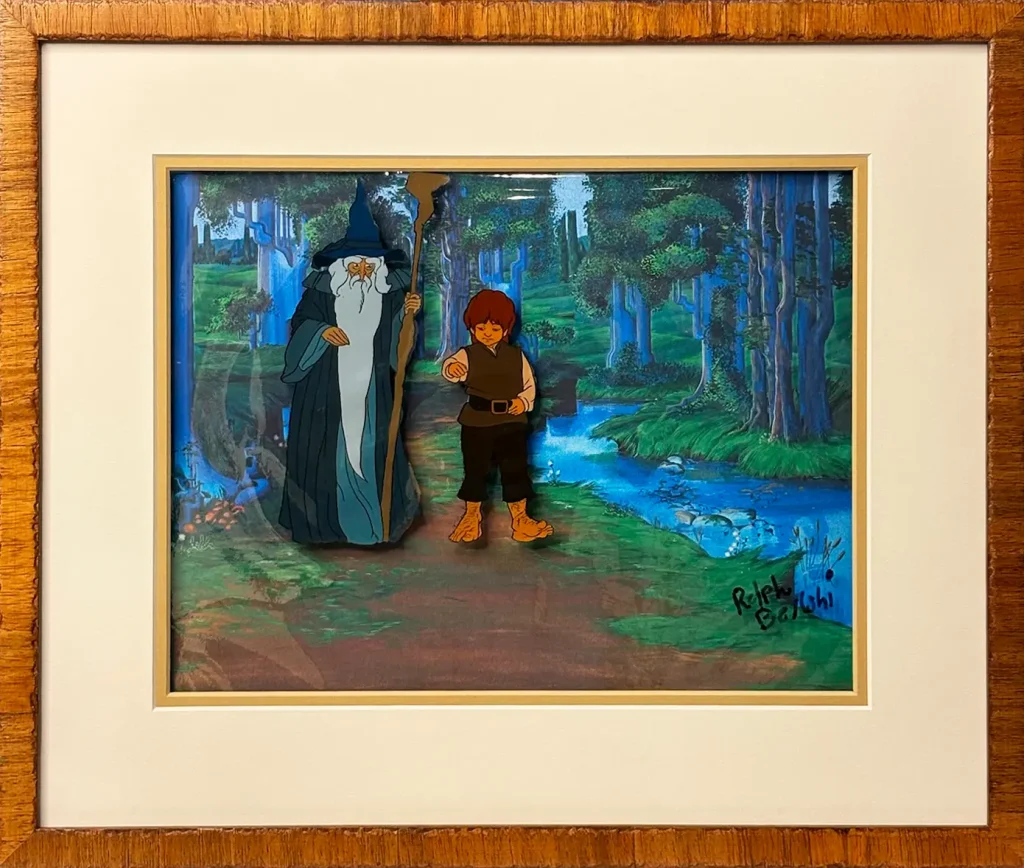
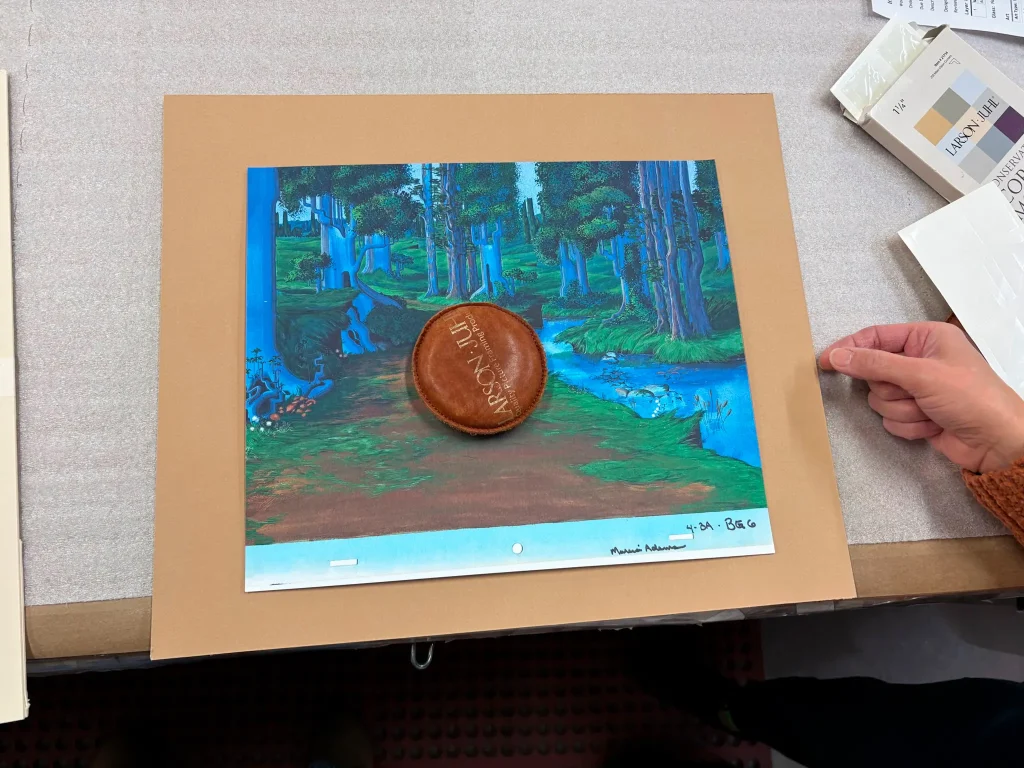
Beyond being the first animated film to begin to tell the story of Middle Earth, Bakshi used a unique blend of design techniques called rotoscoping and film cel animation to create LOTR that would cement his legacy as a filmmaker. Rotoscoping is a technique in which animation for films is traced over live action footage frame-by-frame onto film cels to produce realistic movement. The film cel would become the overlay to a scene’s hand-painted and static background, allowing animators to repeat scenes and the appearance of characters over and over without having to draw each frame by hand. While not a new technique to the industry (Snow White and Popeye the Sailor Man both use this style), Bakshi’s use of rotoscoping created a dark, sometimes psychedelic, style of telling the story of the Fellowship. This animation was critical to Bakshi’s interpretation of the Battle of Helm’s Deep, where he could create the complex illusion that there were hundreds of characters on the battlefield at once without needing to shoot the scene with just as many live-action characters first. The process of using rotoscoping and cel animation for the entire film was painstaking, but Bakshi defended the process by stating that it created a feeling of realism that could not be accomplished by Disney’s approach to animation. Even though his contract would have allowed for him to create a live action film, Bakshi stated that he had “always seen it as animation” and that making his screenplay into live-action would be “tacky.” The entire process to create the cels using the blend of rotoscoping and film cel animation took almost 2 years to complete, leaving Bakshi with 4 weeks to cut the final film before its release date to the public. Bakshi would later express some regret for this technique, saying it was a mistake to trace the source footage rather than using it as a guide.
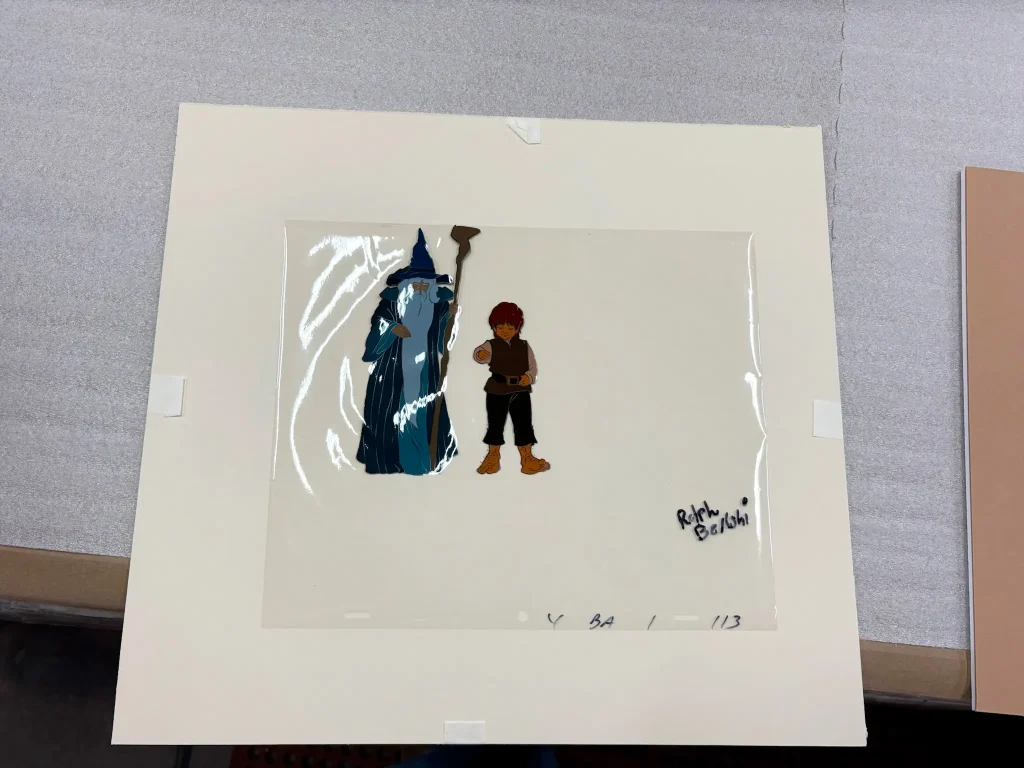
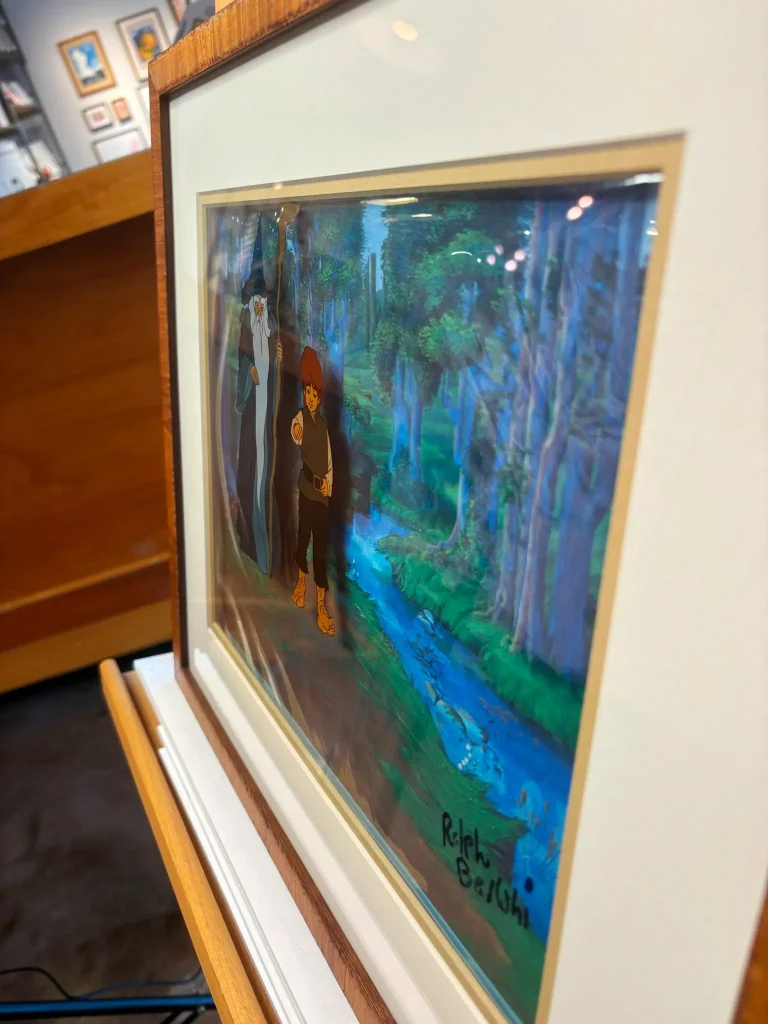
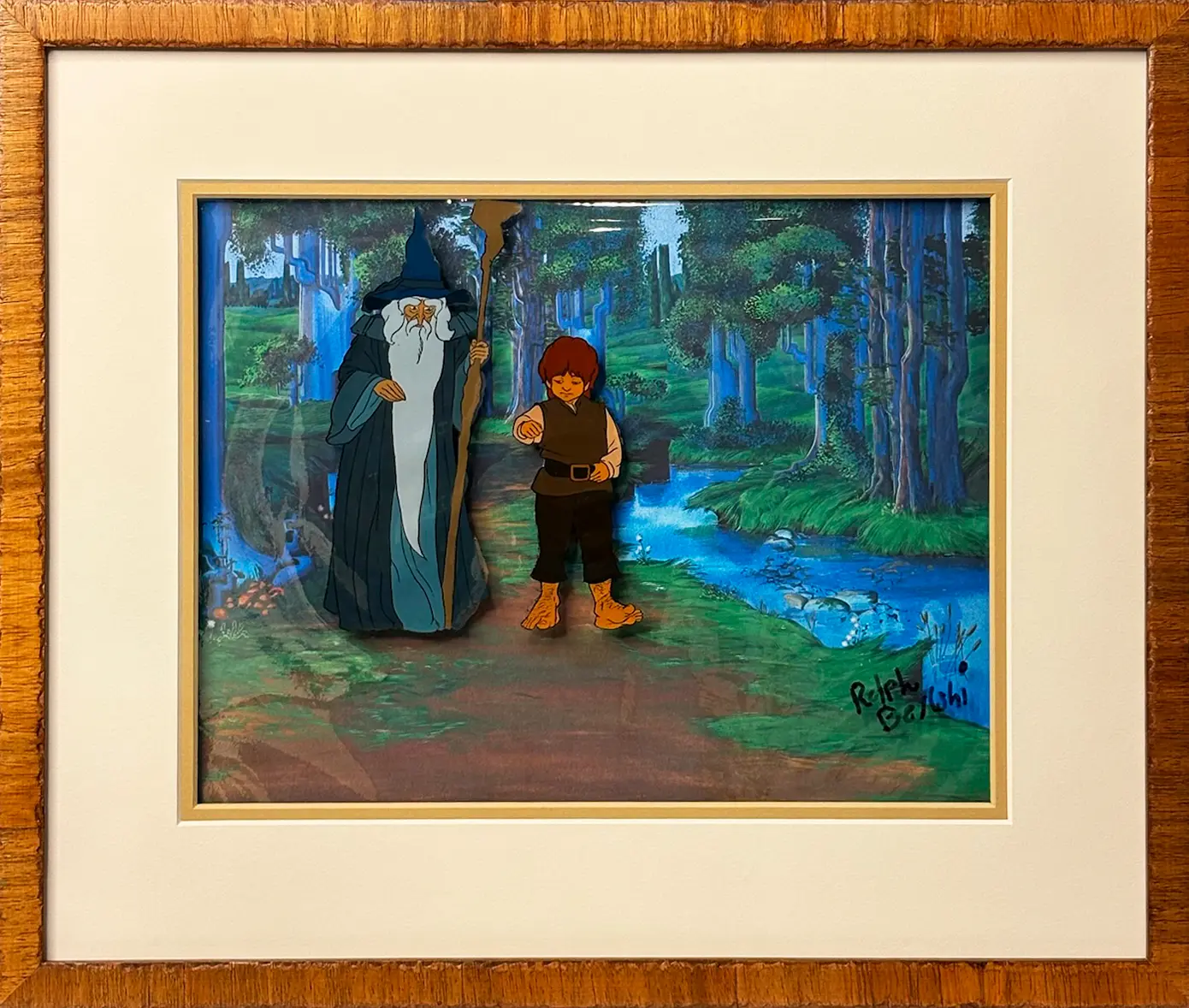
However, all of the effort that went into the animation would not be wasted. Bakshi currently sells his original film cels, for LOTR in addition to other projects, and that is how this project fell into our lap. Our client purchased this cel of Frodo and Gandalf walking through The Shire, and we knew we’d want to preserve the cel in a way that truly honored the time that went into creating it.
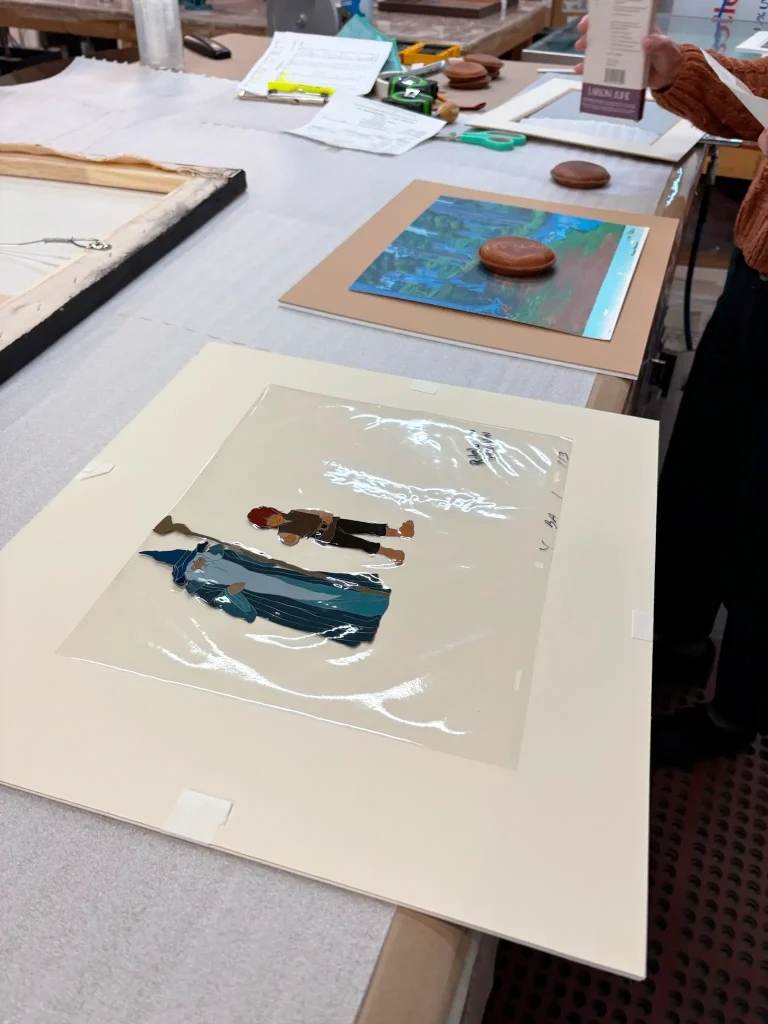
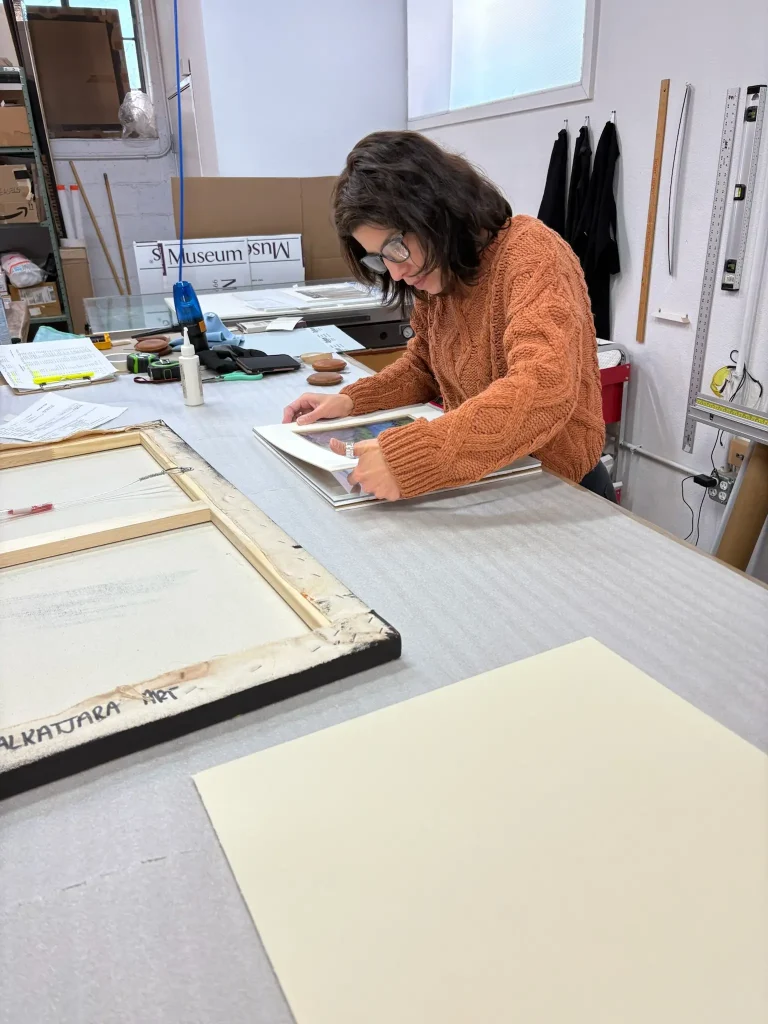
Part of the magic of using a cel overlay in film making was to create a foreground that had depth and movement without breaking a film’s budget, and we wanted to make sure to capture that effect. We first mounted the static background scene to cotton rag mat using photo corners, which is completely reversible should the client want to ever remove the cel in the future. We then mounted the cel to a piece of Tru-Vue Optium Museum Acrylic and raised that over the background, which allowed us to create a drop shadow effect. The Optium Museum Acrylic provides a reflective-free view that is also shatter proof, protecting the film cel for generations to come without any concern of glass breaking and damaging the art in future moves. We finished the package with a double mat and the client’s selected frame from Studio Moulding. The end result preserves the intricate, original art and showcases the exact way the frame would have been shot before a new film cel was switched out to show the character’s movement- truly a freeze frame of this movie’s history!