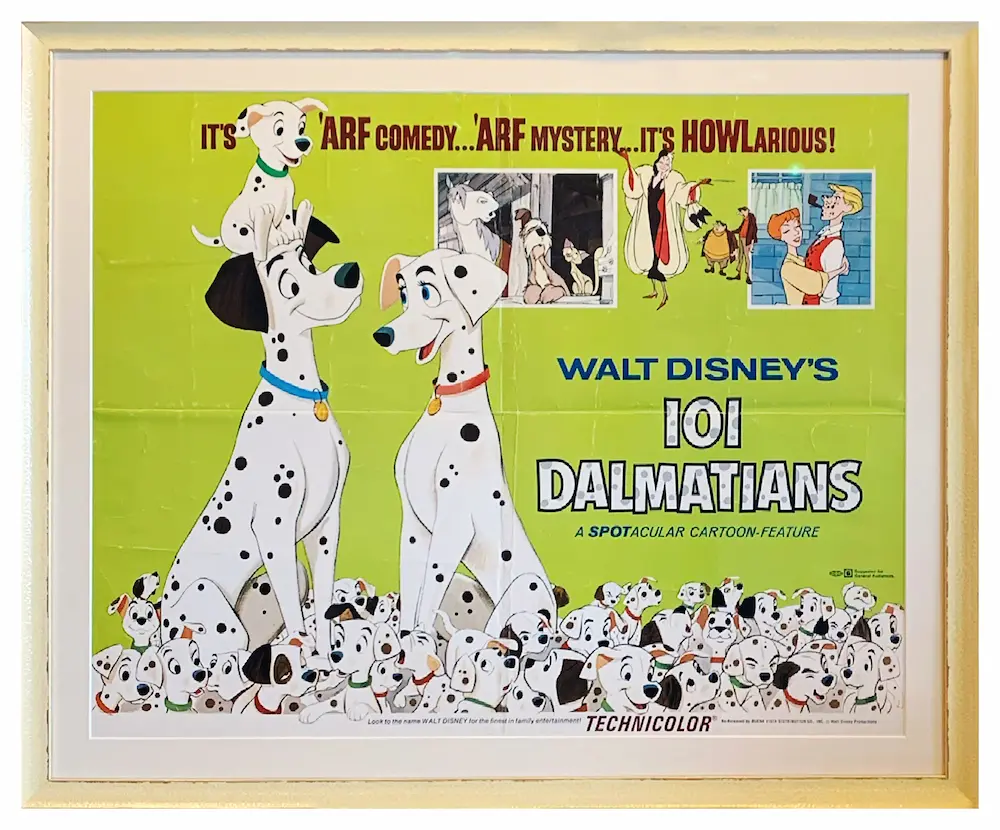
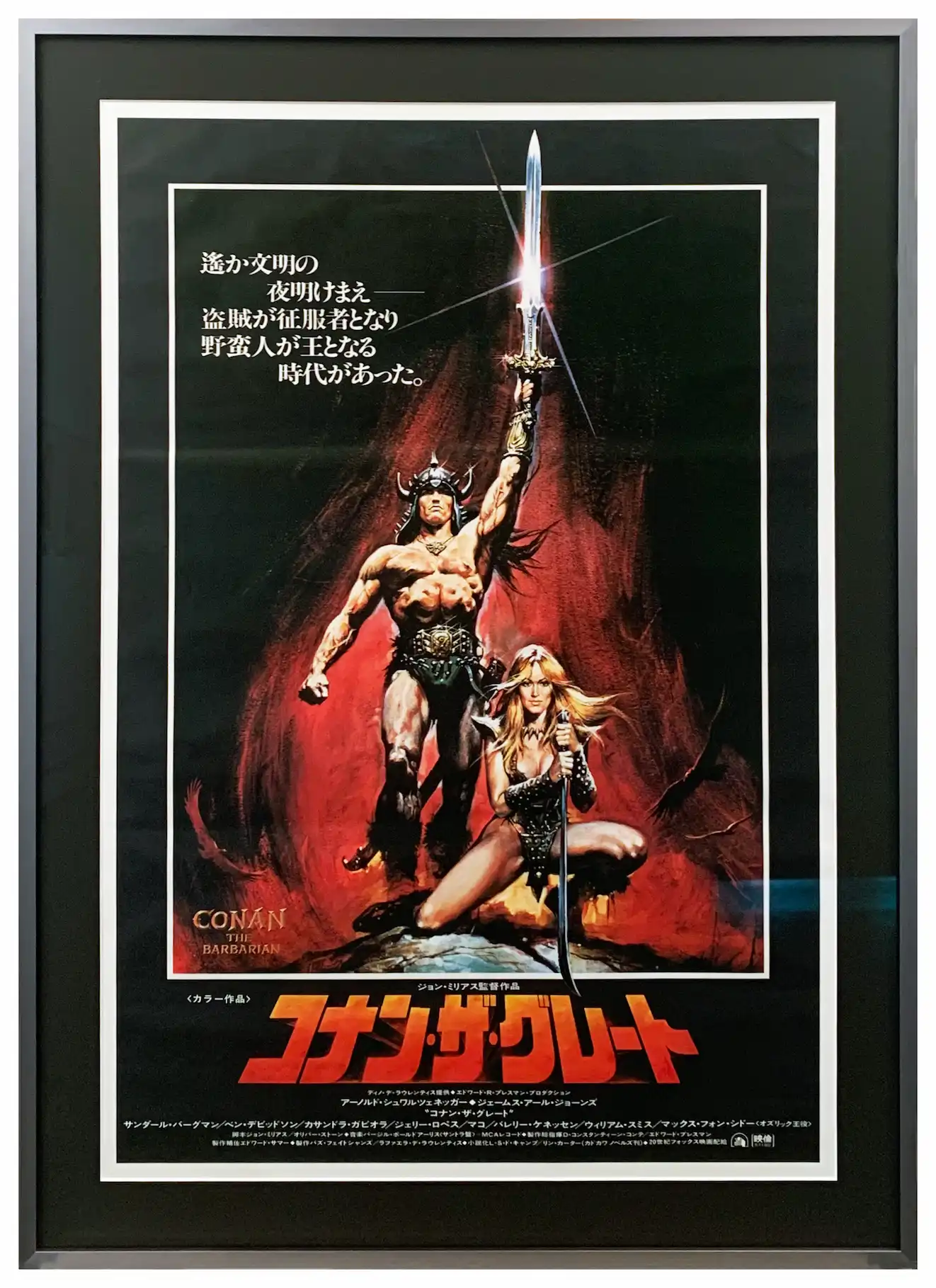
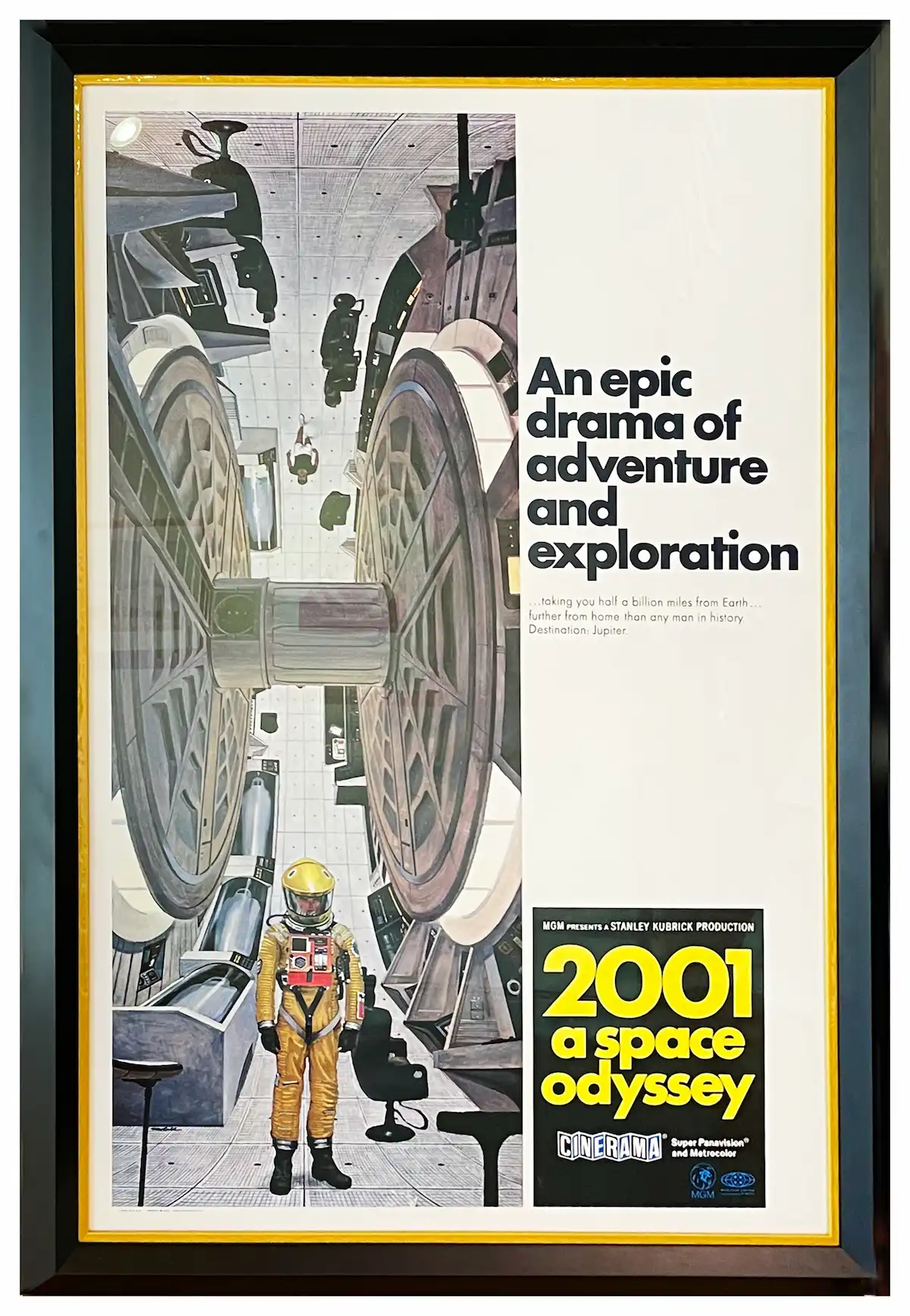
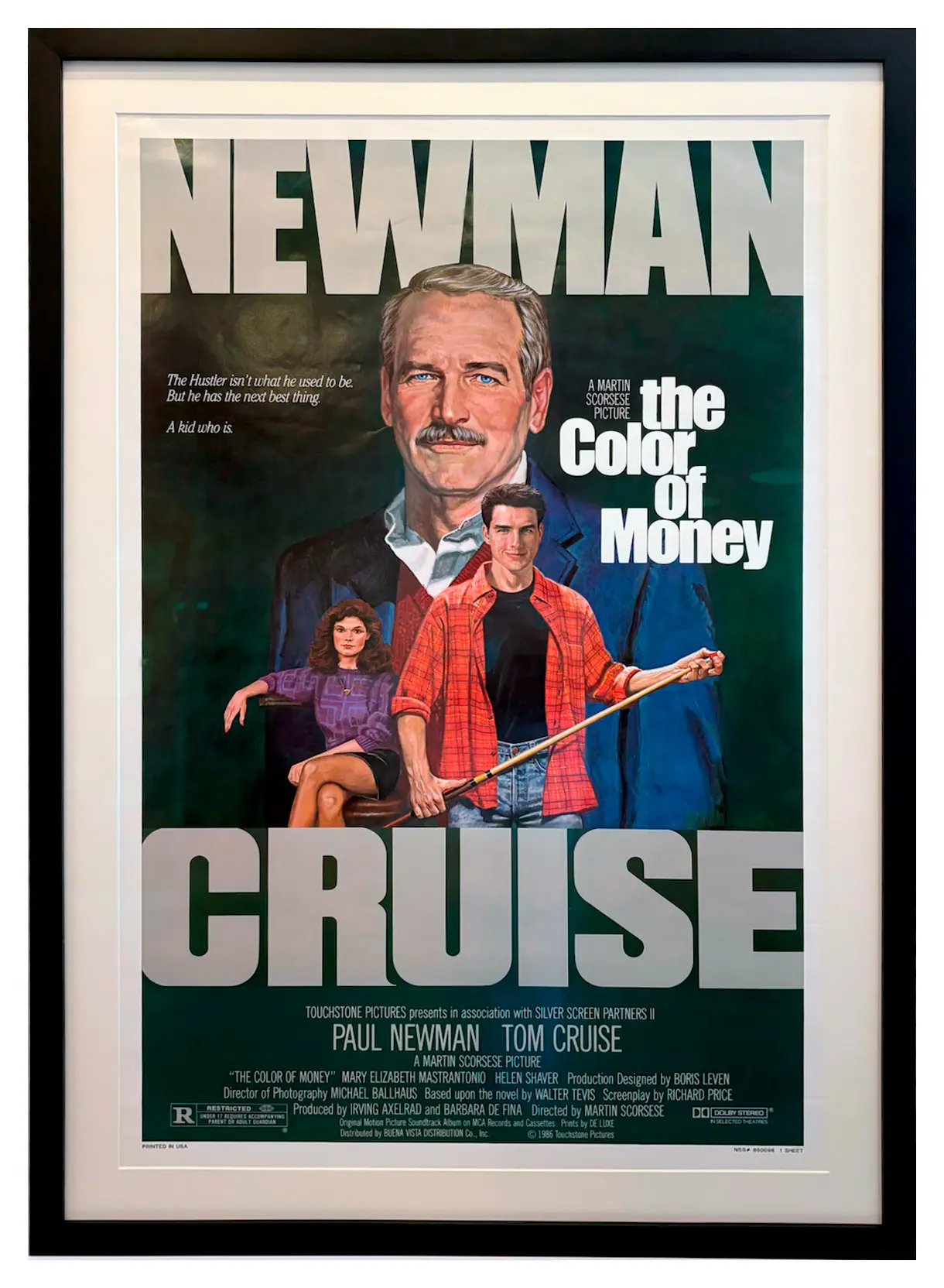
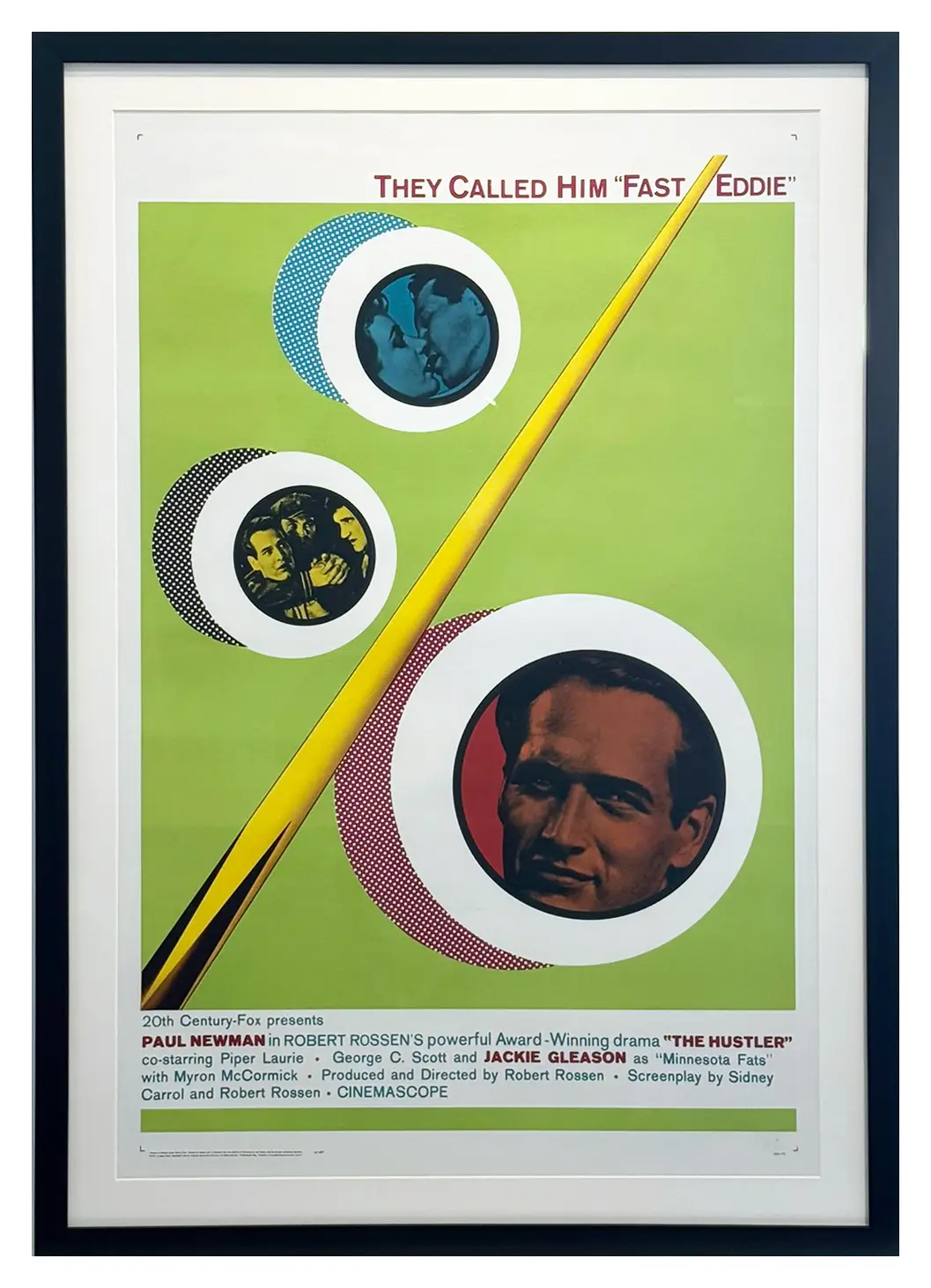
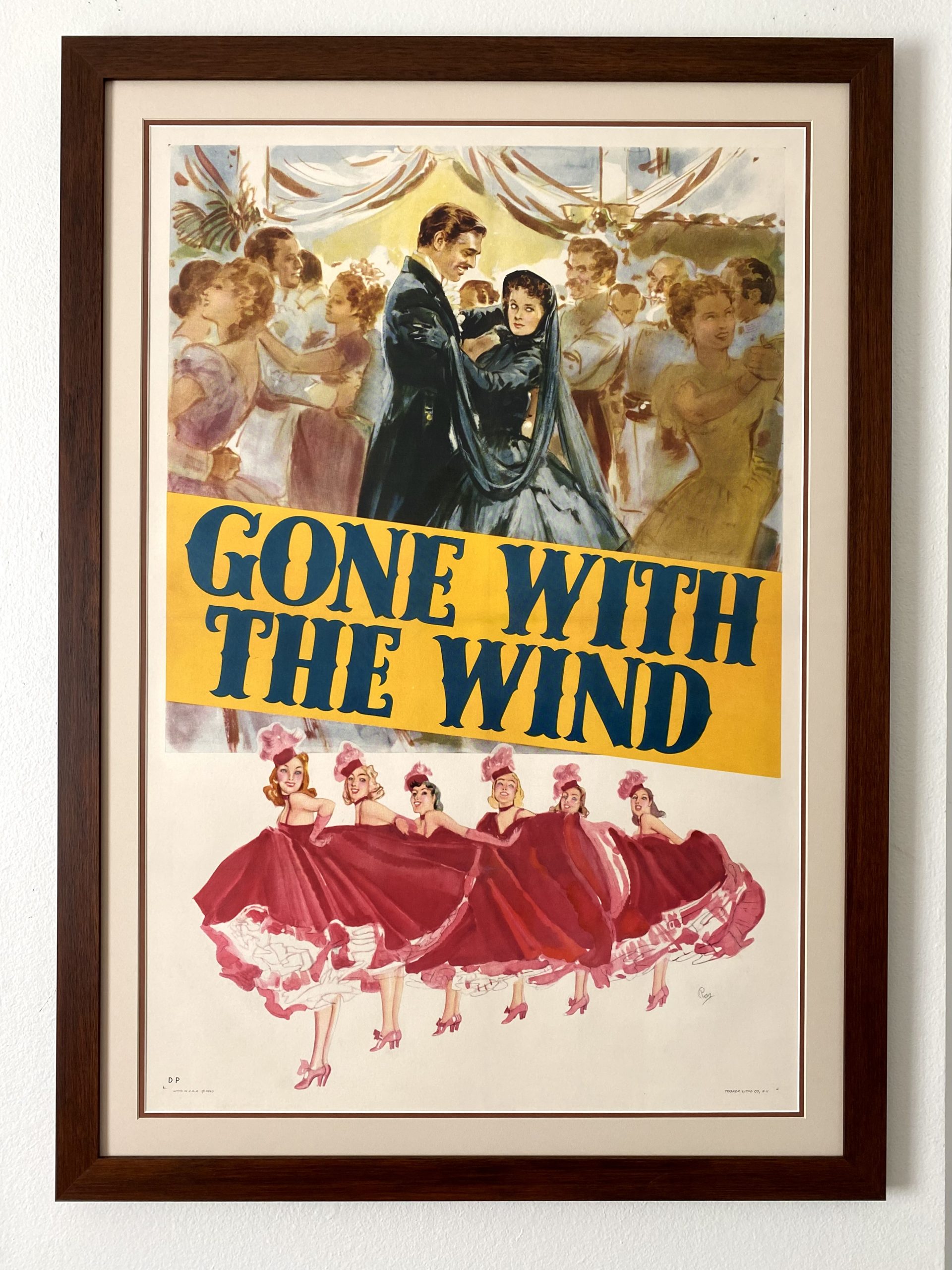
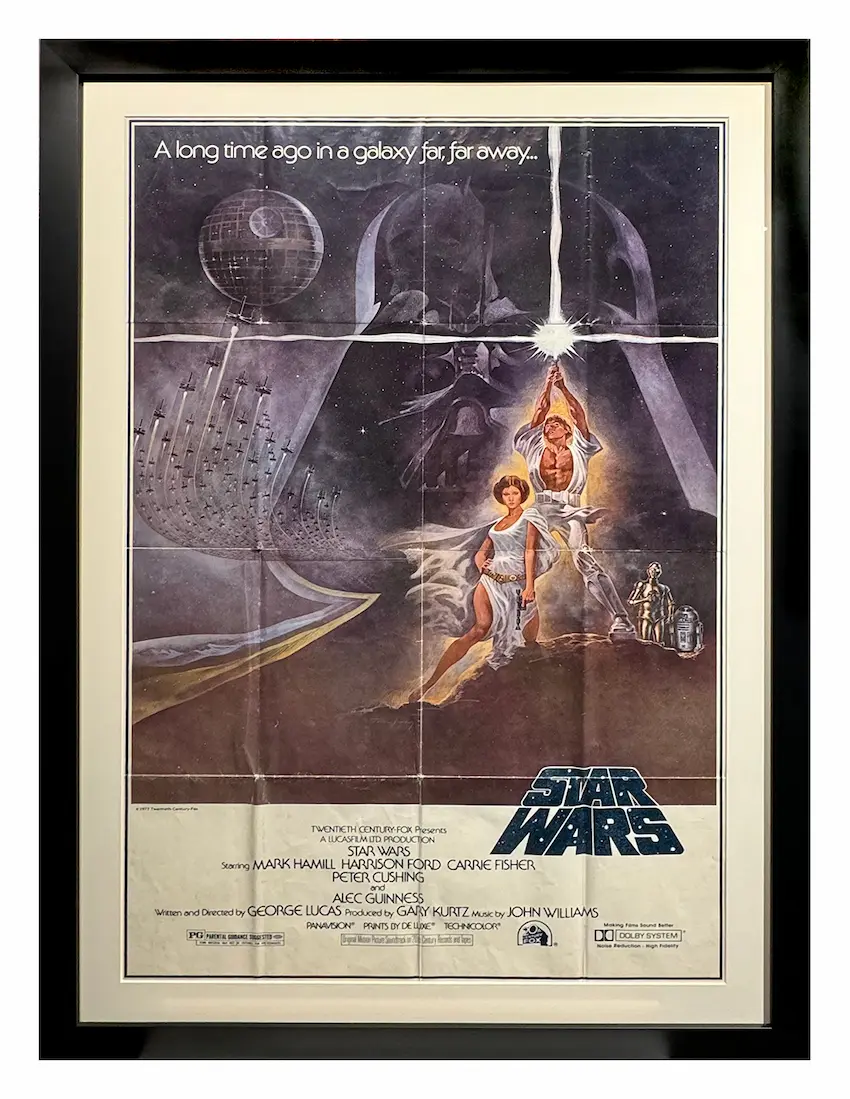
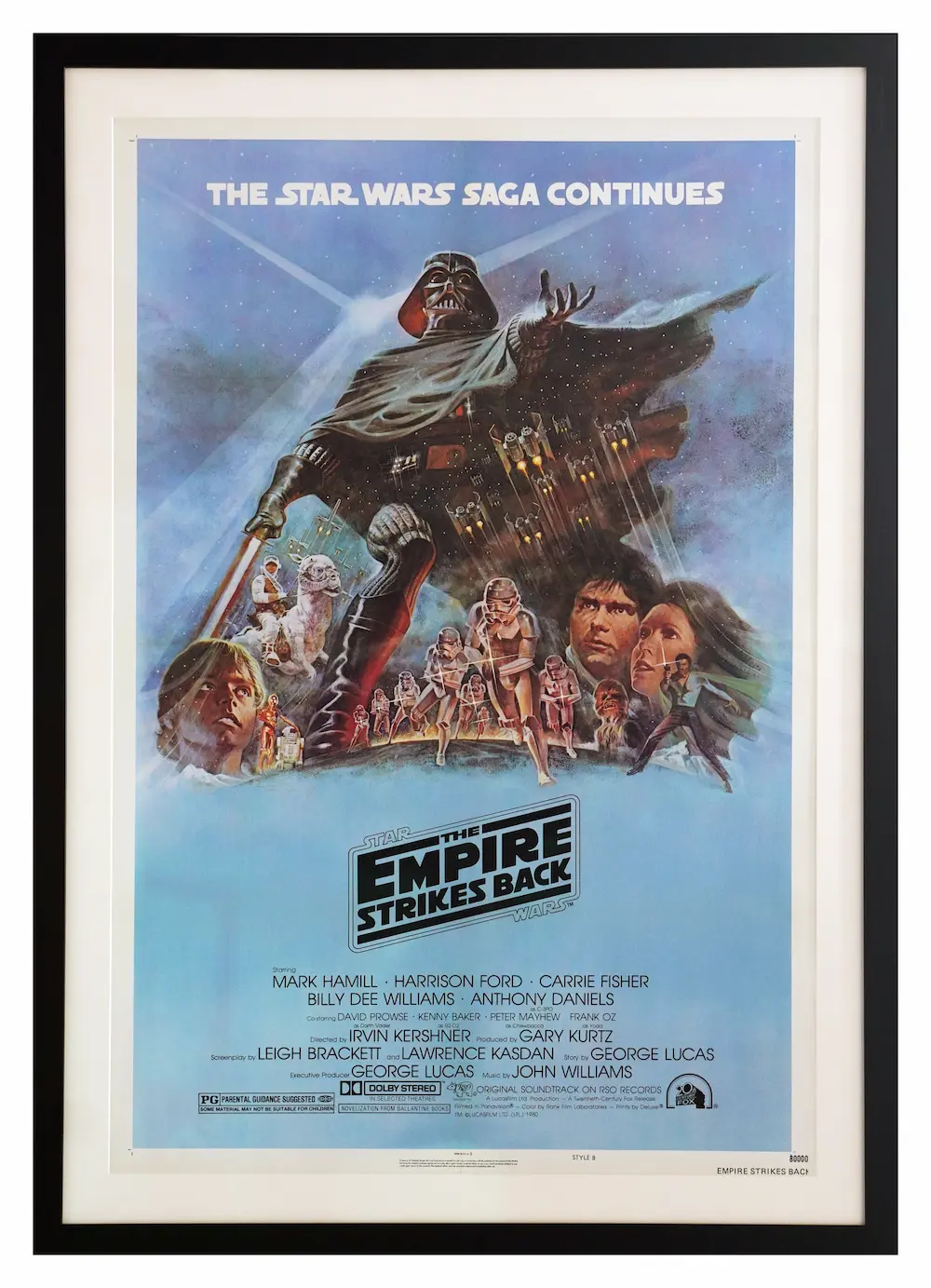
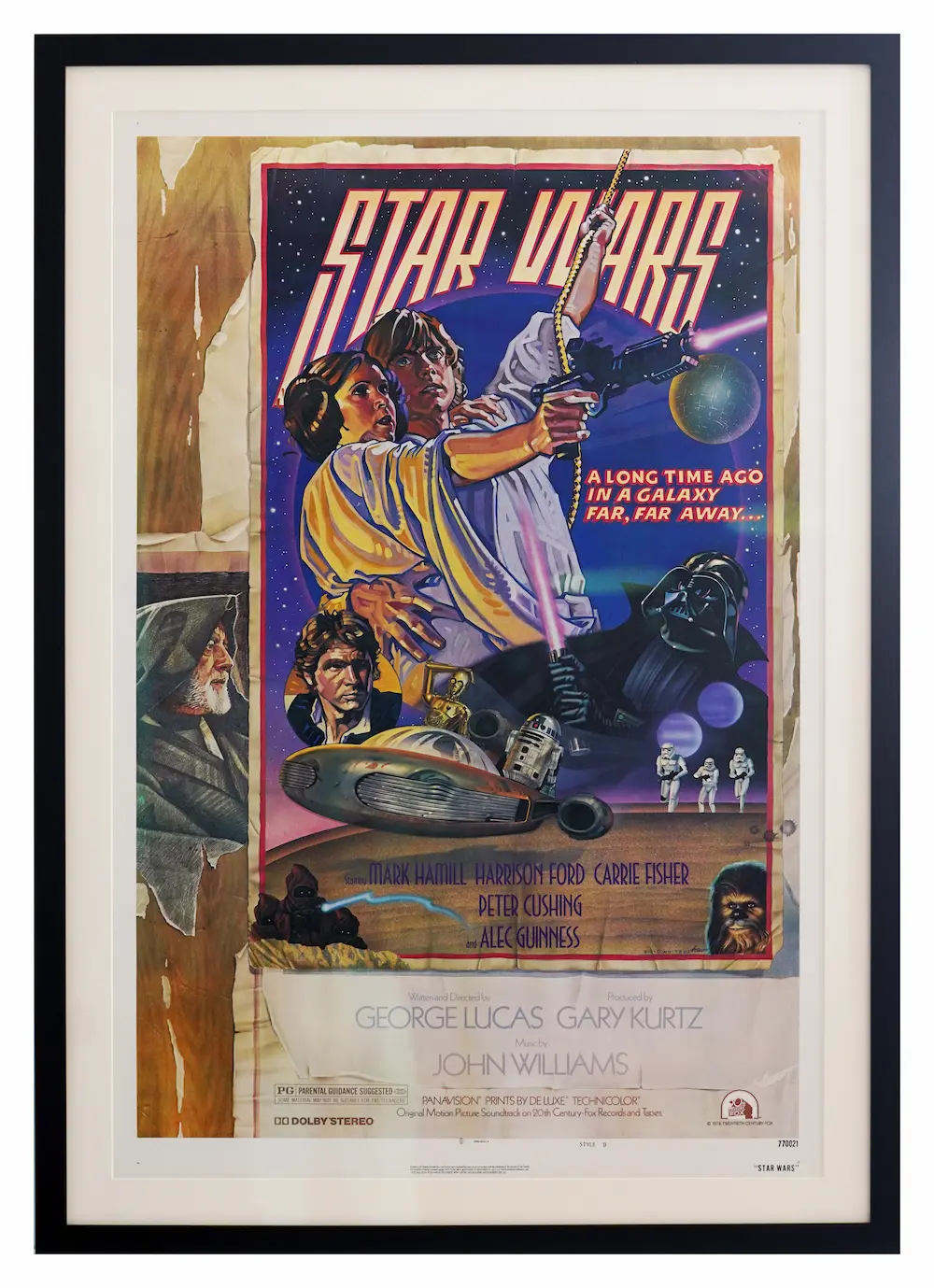
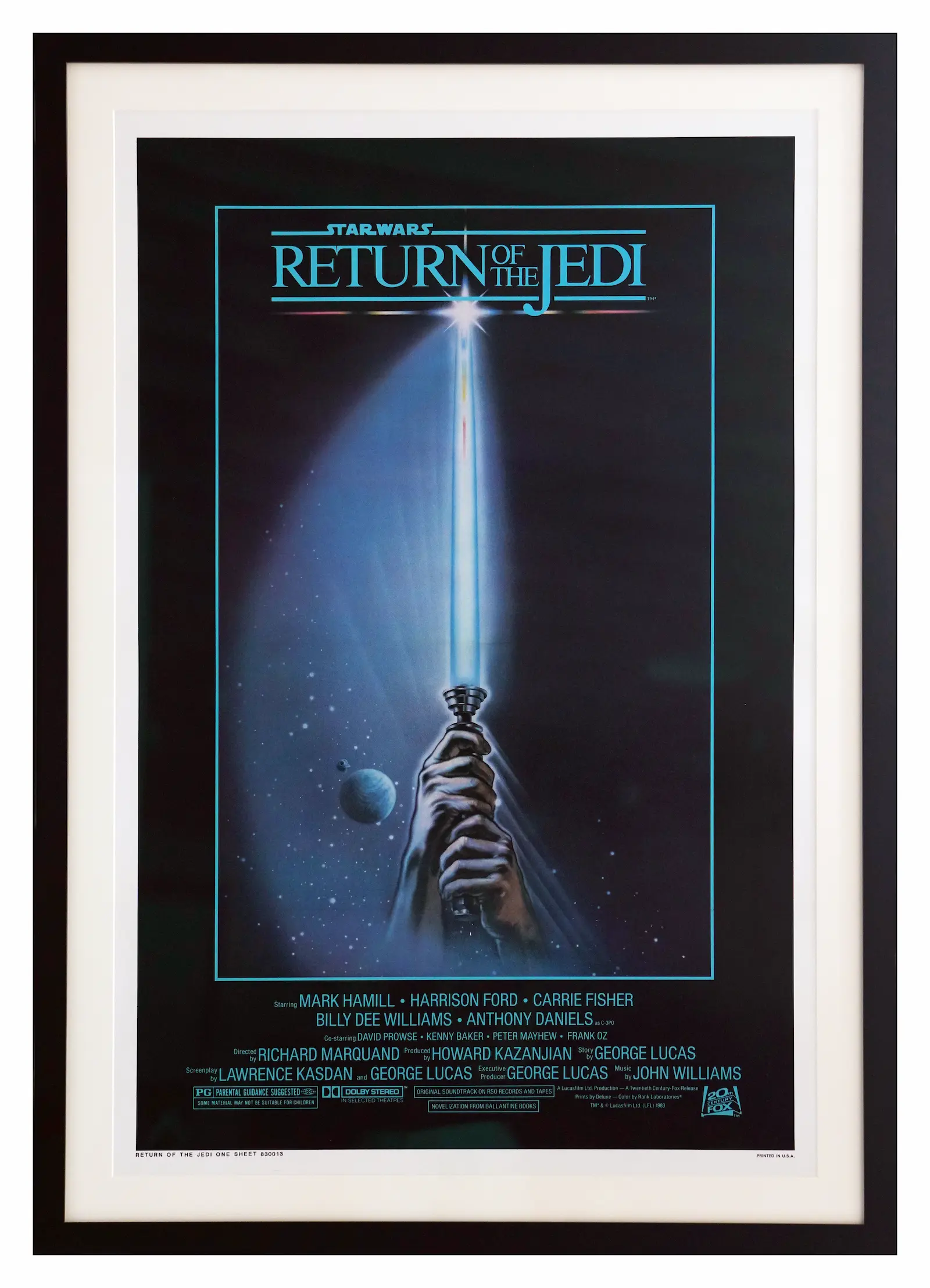
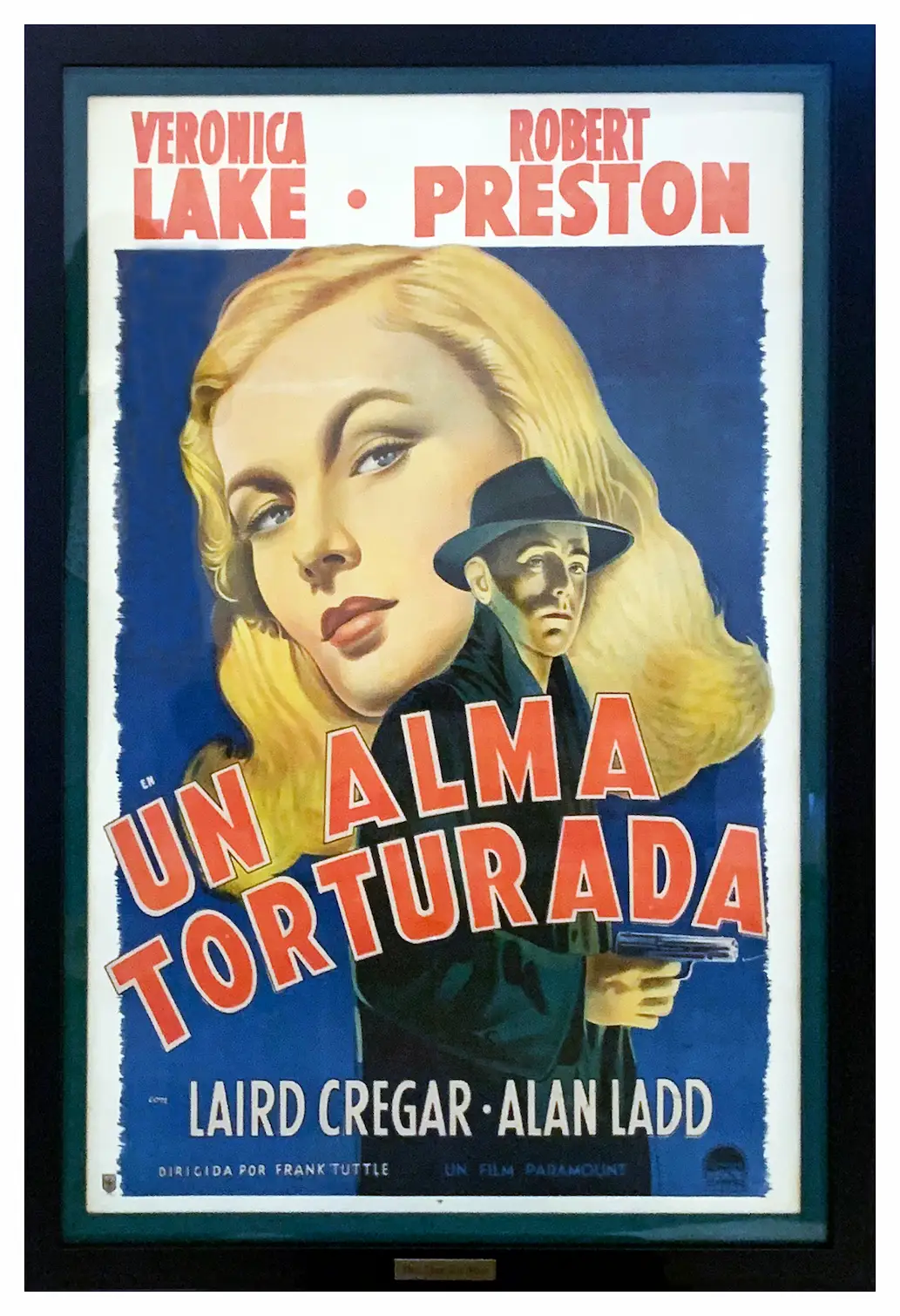
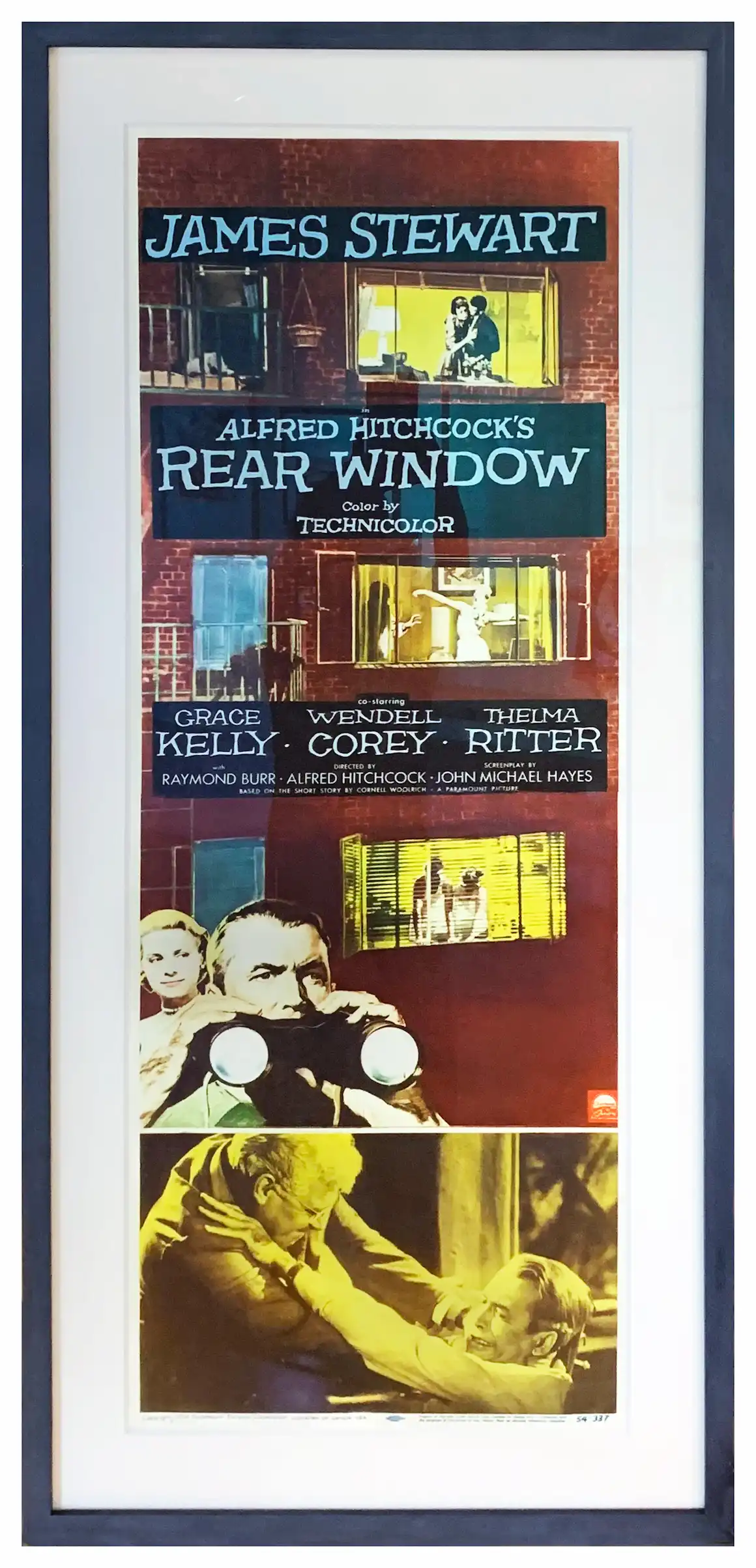
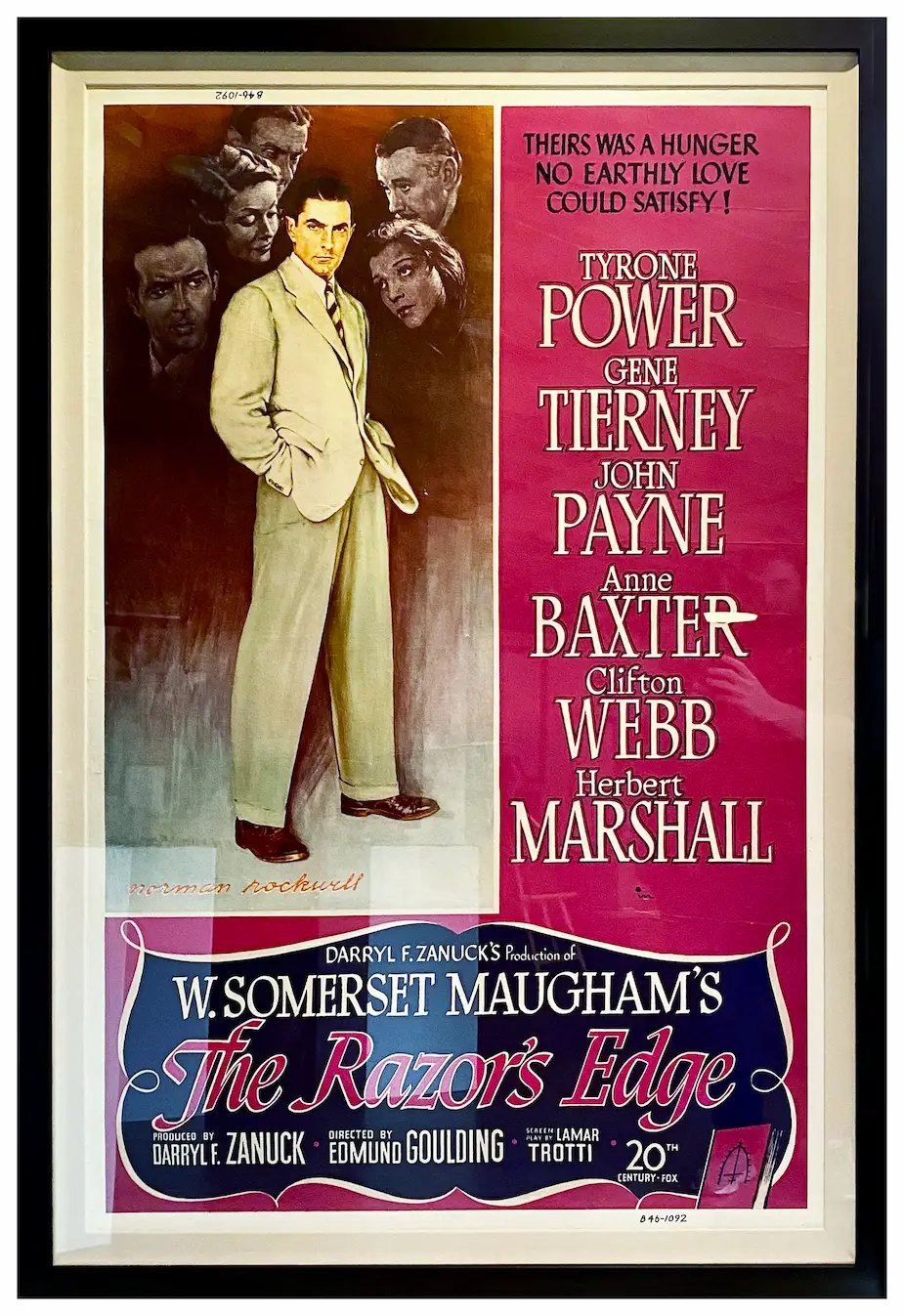
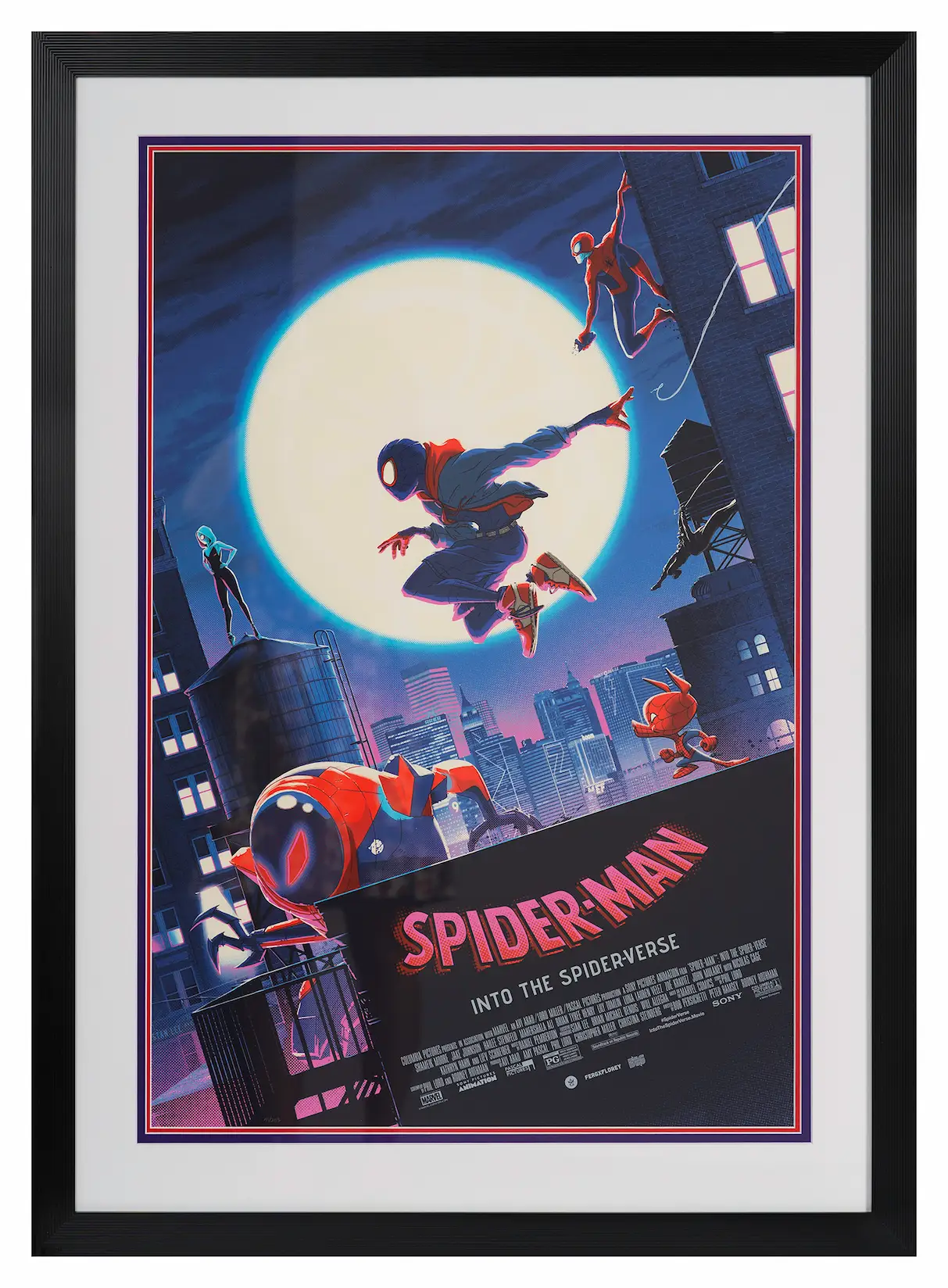
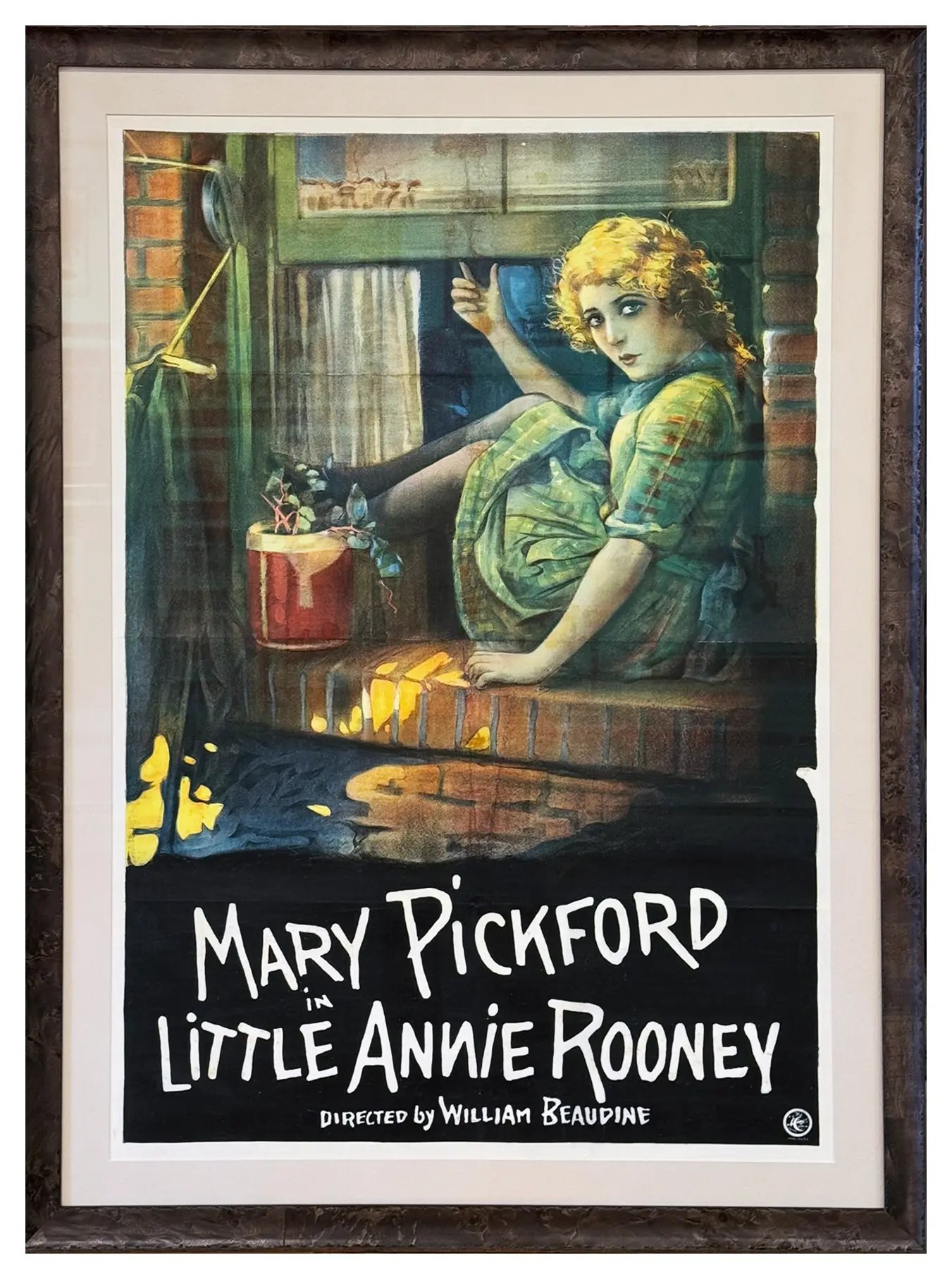
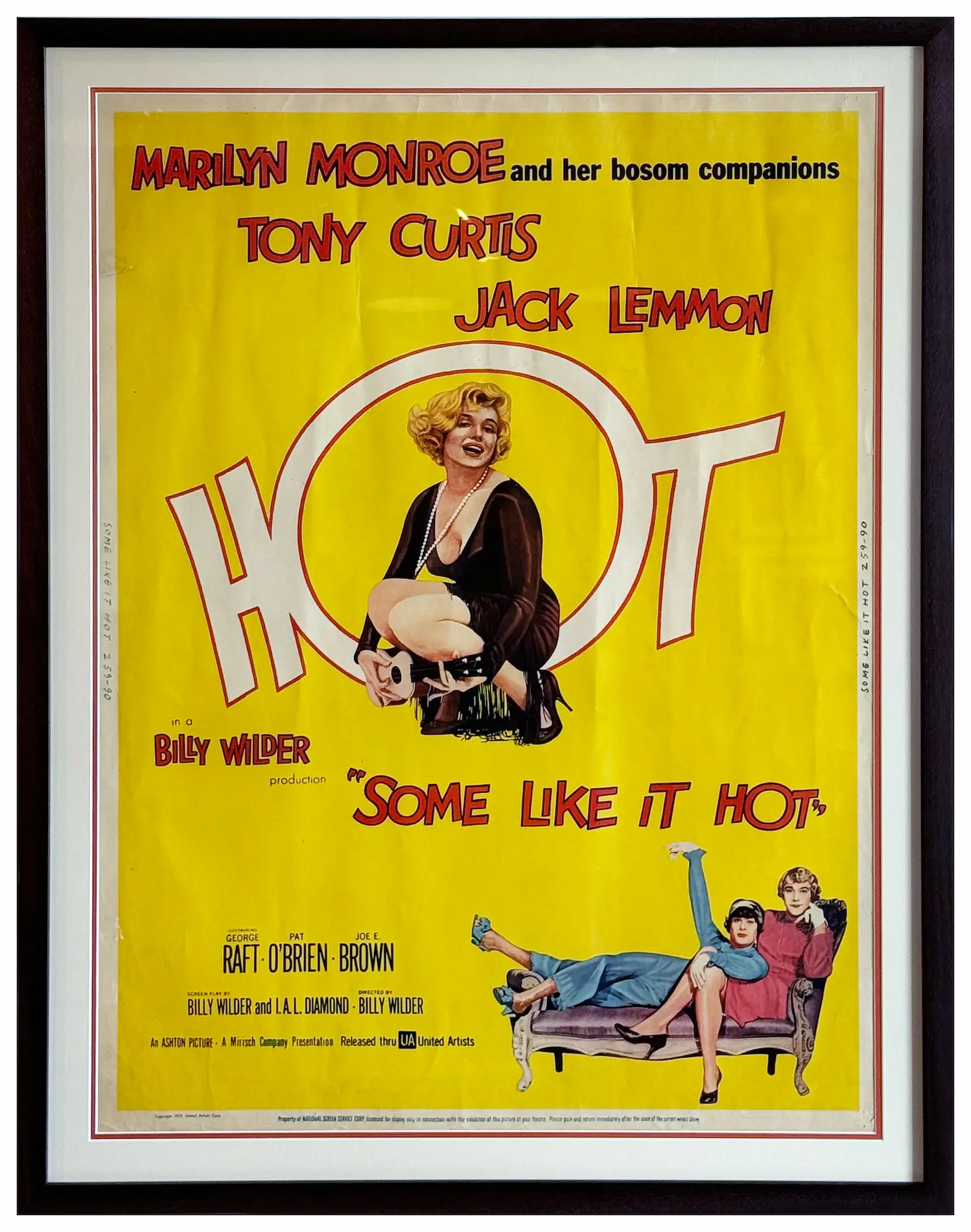
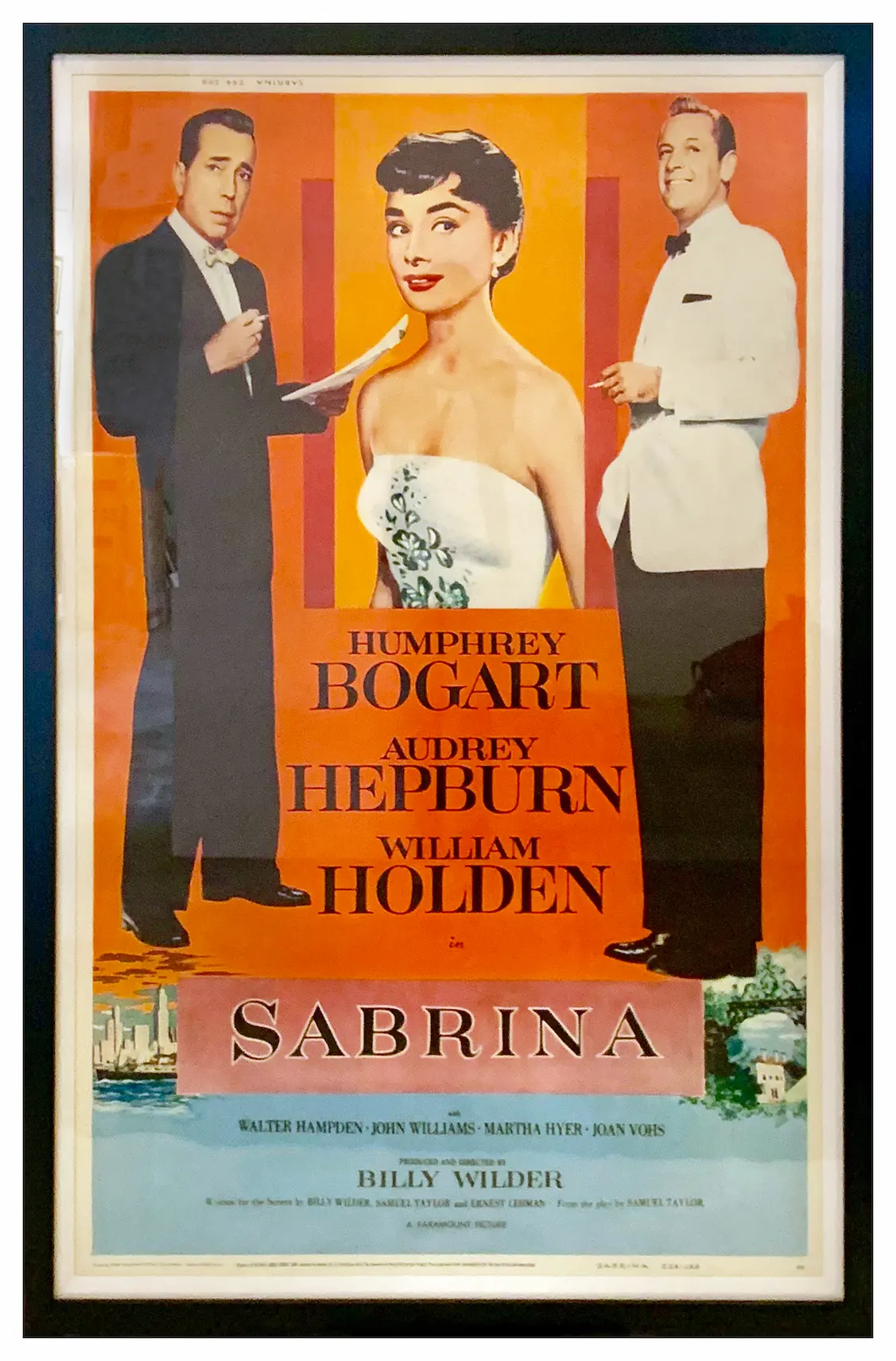
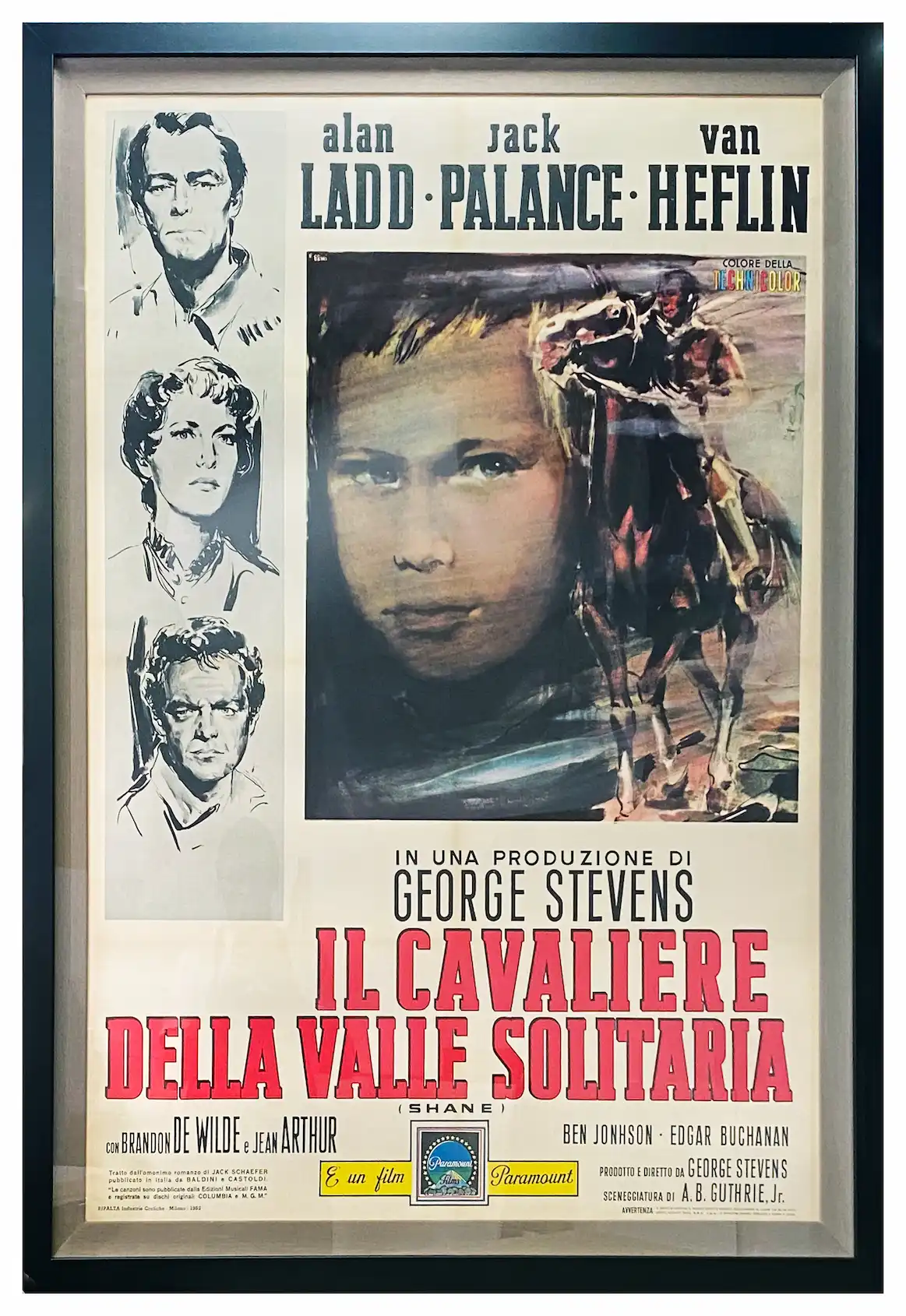
When it comes to framing movie posters, there is a key difference in the type of paper movie posters are printed on versus what you see in fine art or concert prints today that needs to be addressed as we design your frame package. Printed in a variety of sizes for different advertising needs, movie posters were printed on thin card stock and before the 1980’s were almost always folded in eighths with one vertical and two horizontal folds; rolling movie posters would not become a common practice until after 1980. The thin card stock was affordable to print on for mass distribution, and posters were often meant to be destroyed after a release had run its course. However, for those that survived and have made it into the hands of collectors, the practice of folding movie posters can present an issue in its framing presentation.
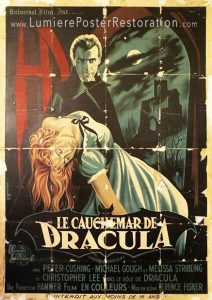
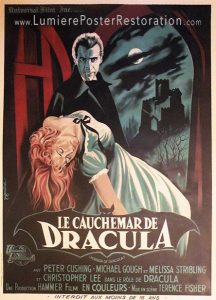
This is where linen backing comes in! Linen backing is an archival conservation process in which fragile paper documents are washed, repaired, and mounted onto a layer of acid-free canvas (referred to as linen) to stabilize a poster for framing and display. This process can repair damage from tears, creases, or fold lines while also preserving the poster on a fully archival, and reversible, backing to add strength to the piece overall. This process is not required for framing your piece, and some collectors won’t linen back their posters in an effort to retain the original condition of the documents and keep it as authentic as possible. We will address this during your design consultation to determine if linen backing is the process for your poster, or if it is best left as it is for its presentation. If you can’t live with the creases and want to linen back your poster before we frame it, we will refer you to either Fourth Cone Restoration or Baumgartner Fine Art Restoration, both of whom we have had many clients use in the past for restoration.