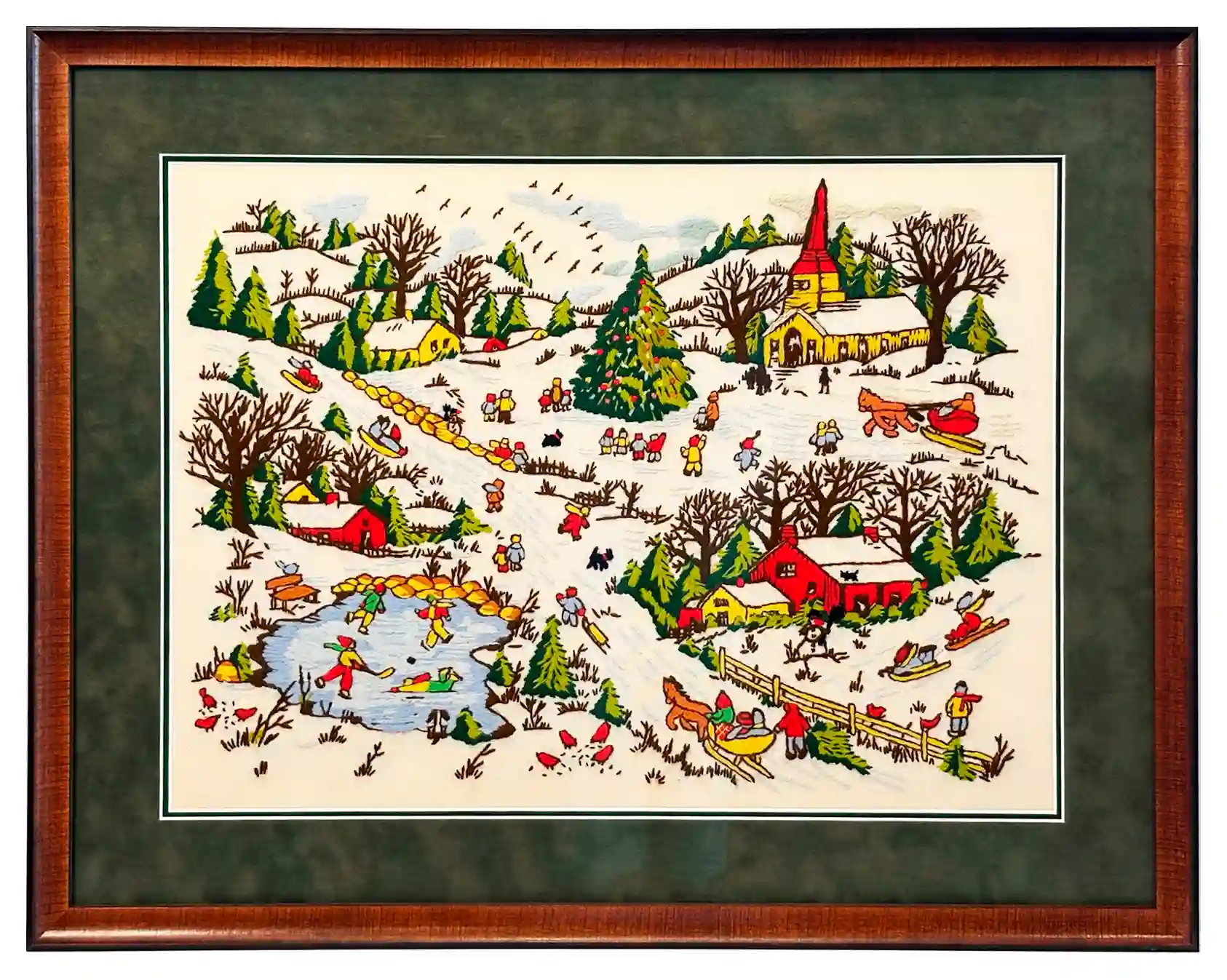
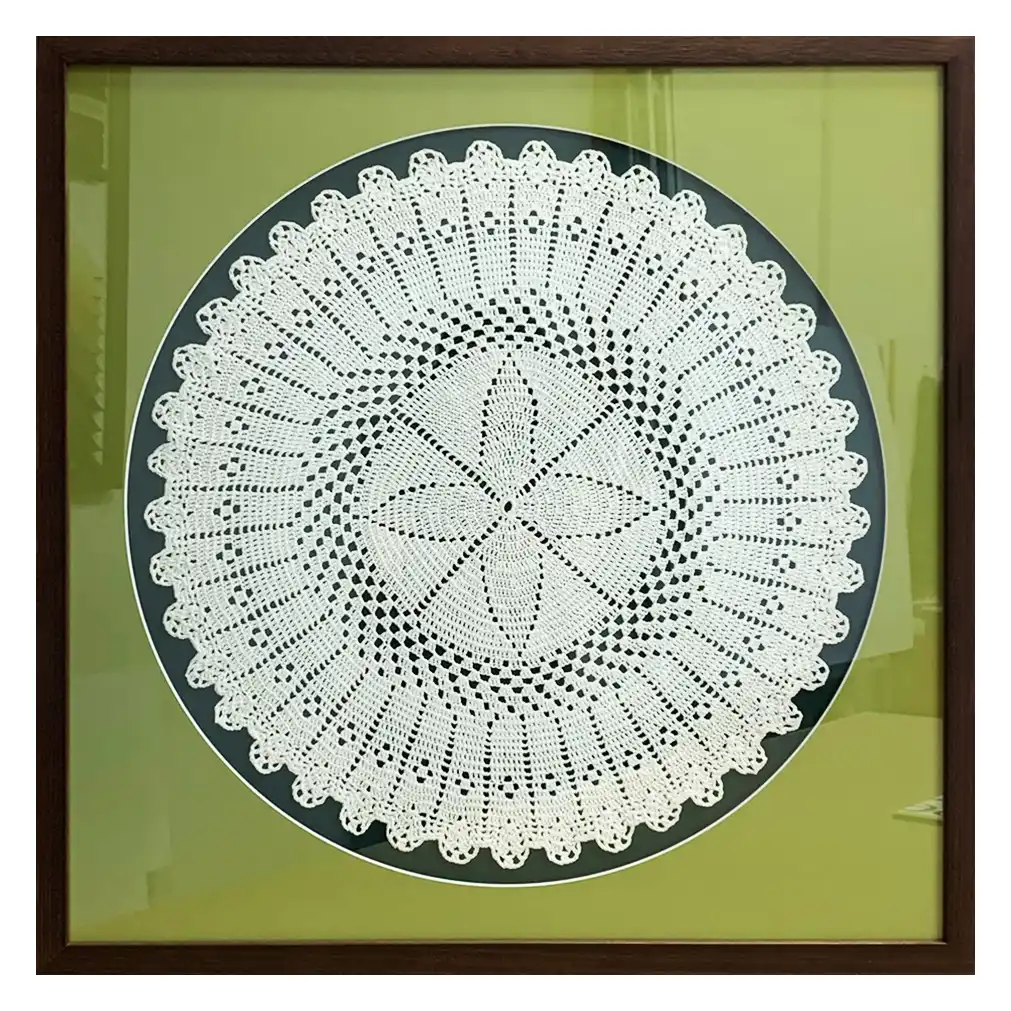
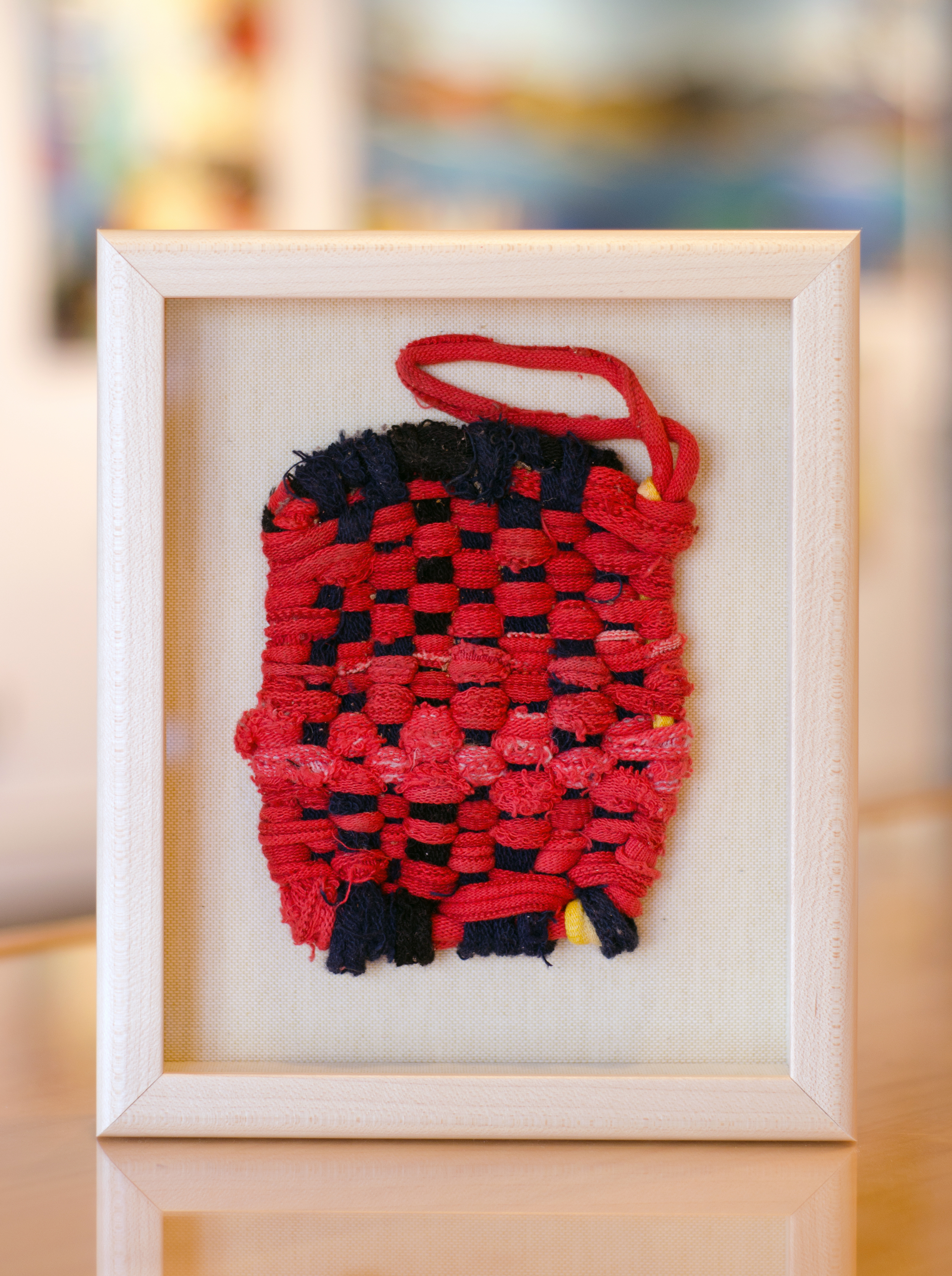
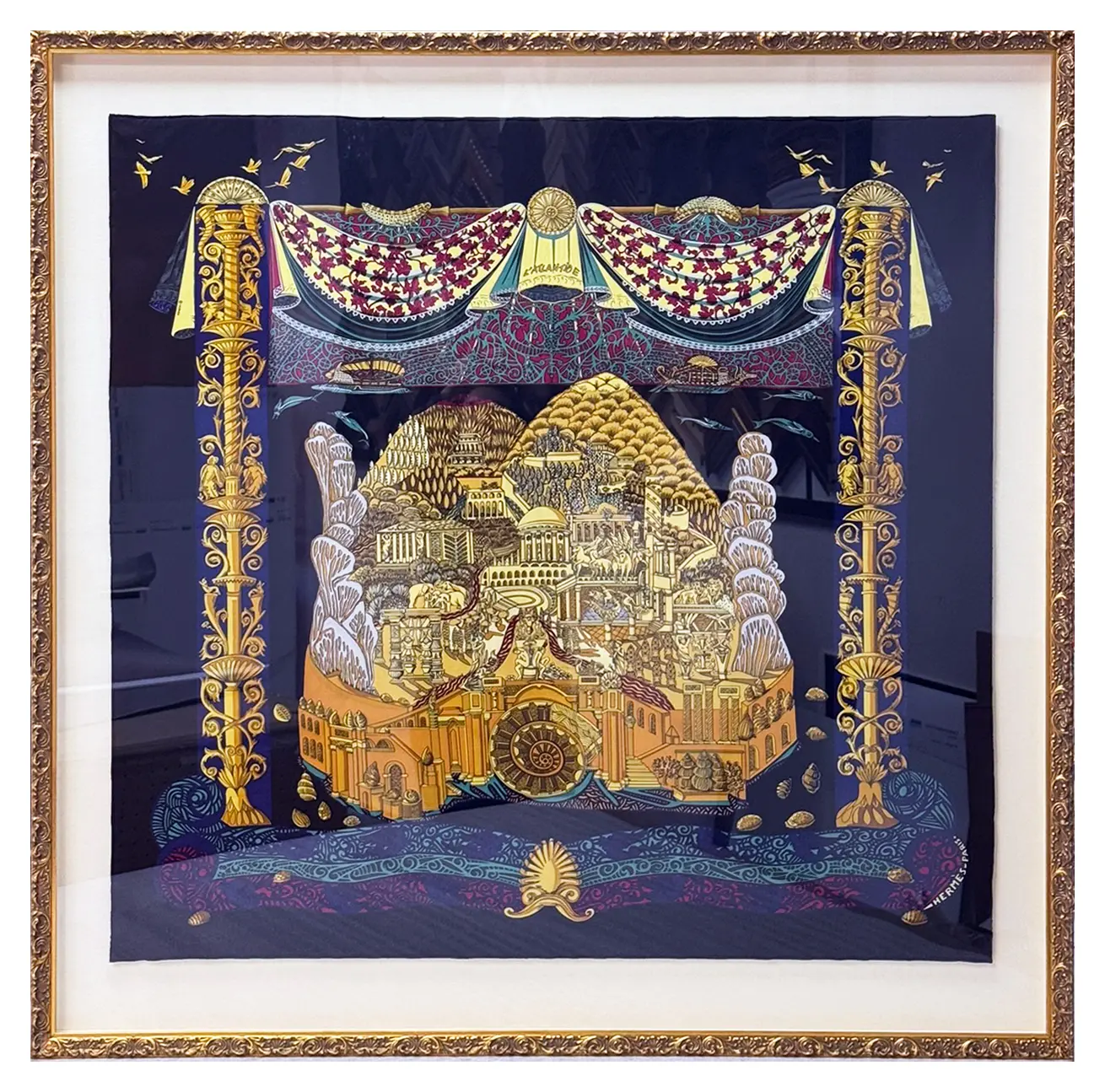
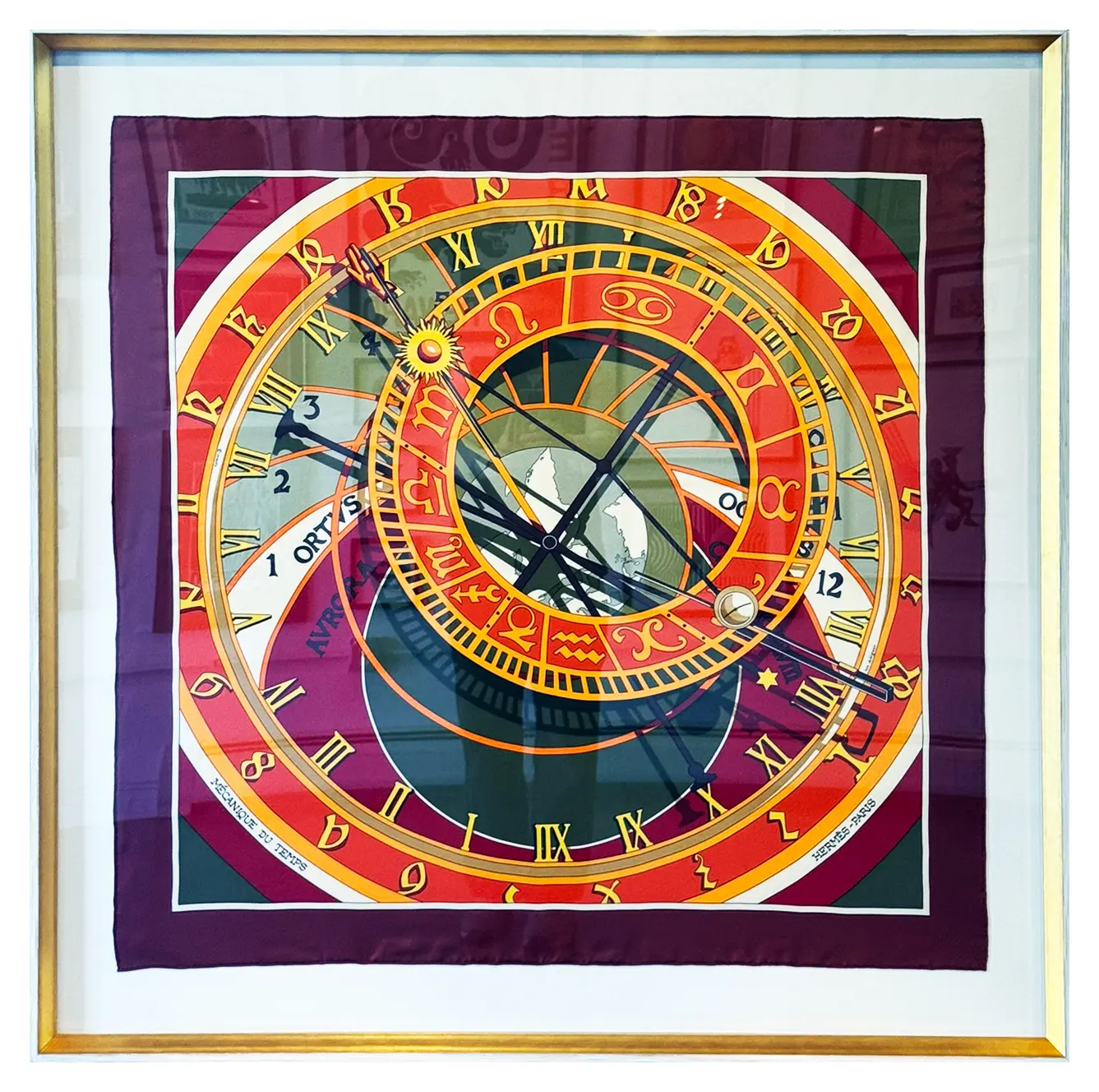
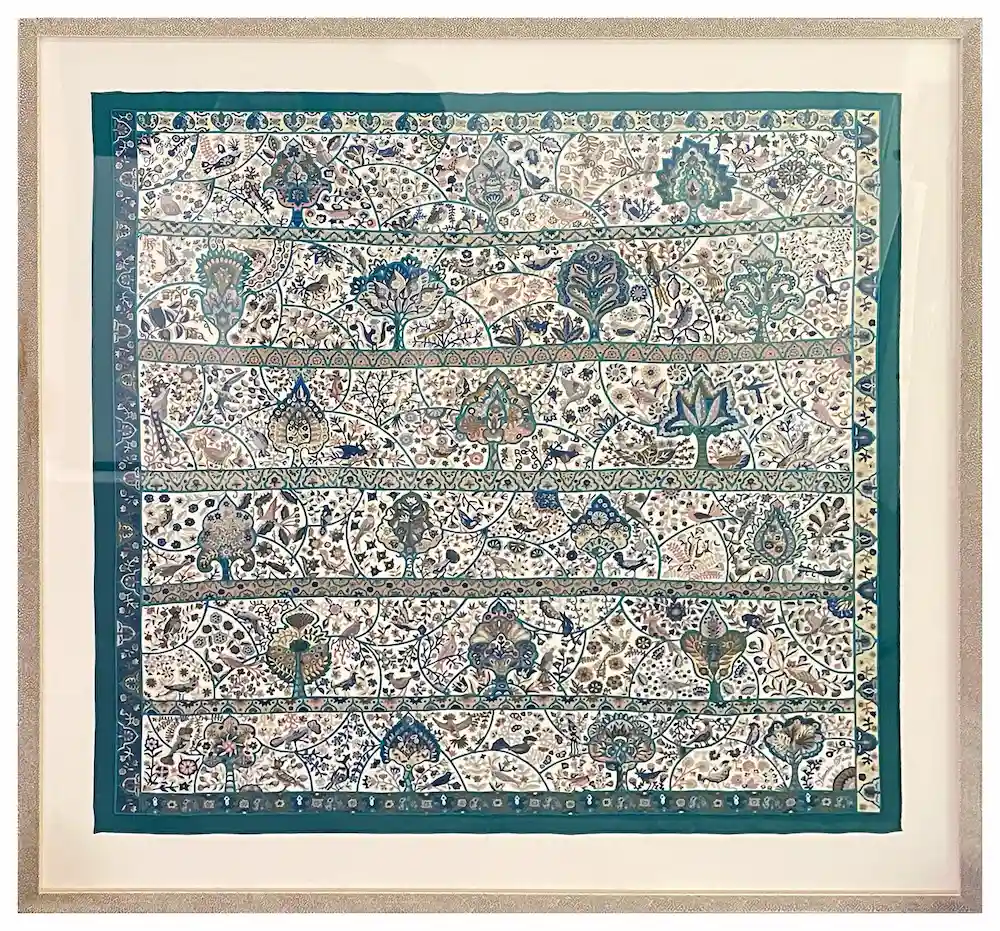
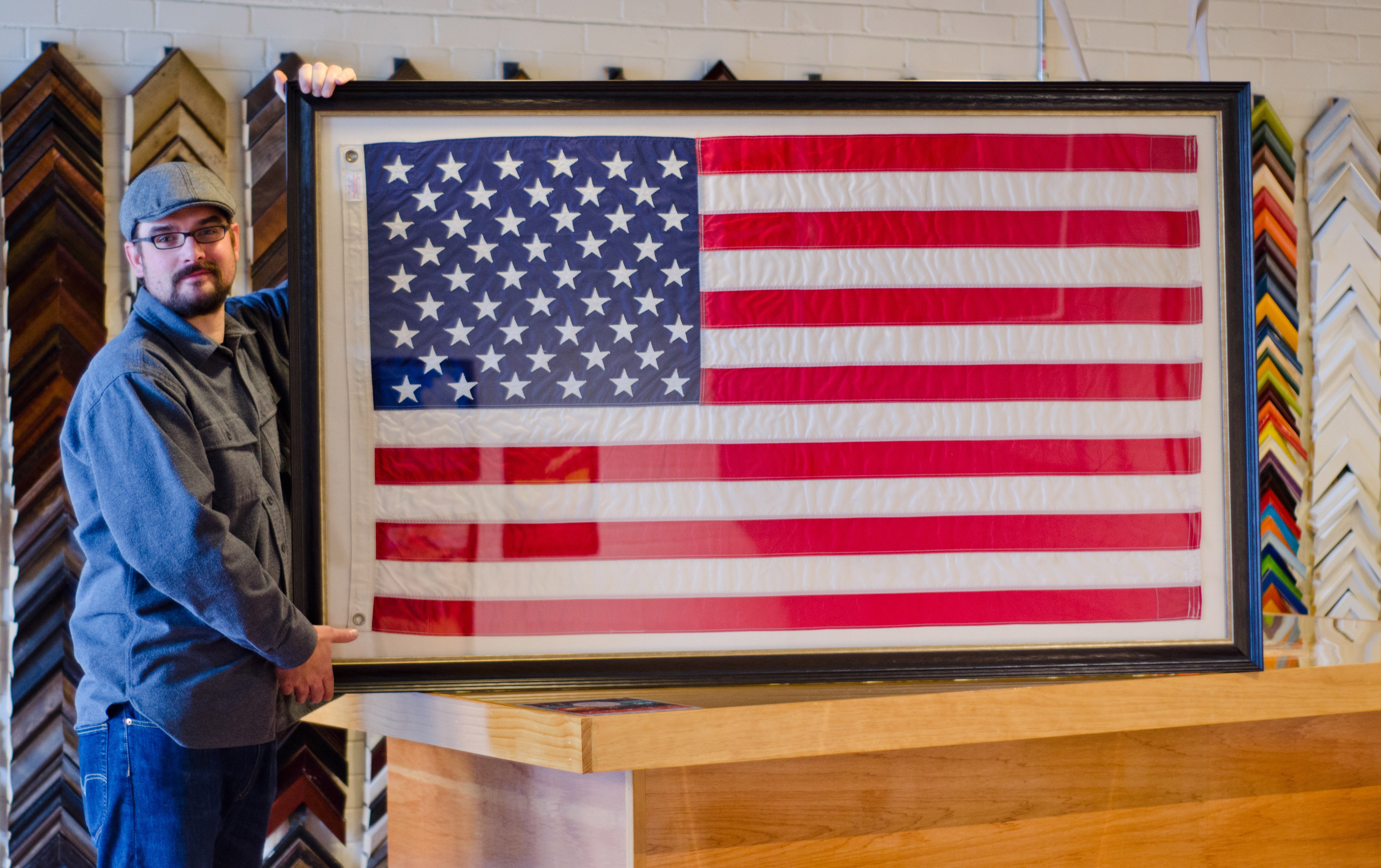
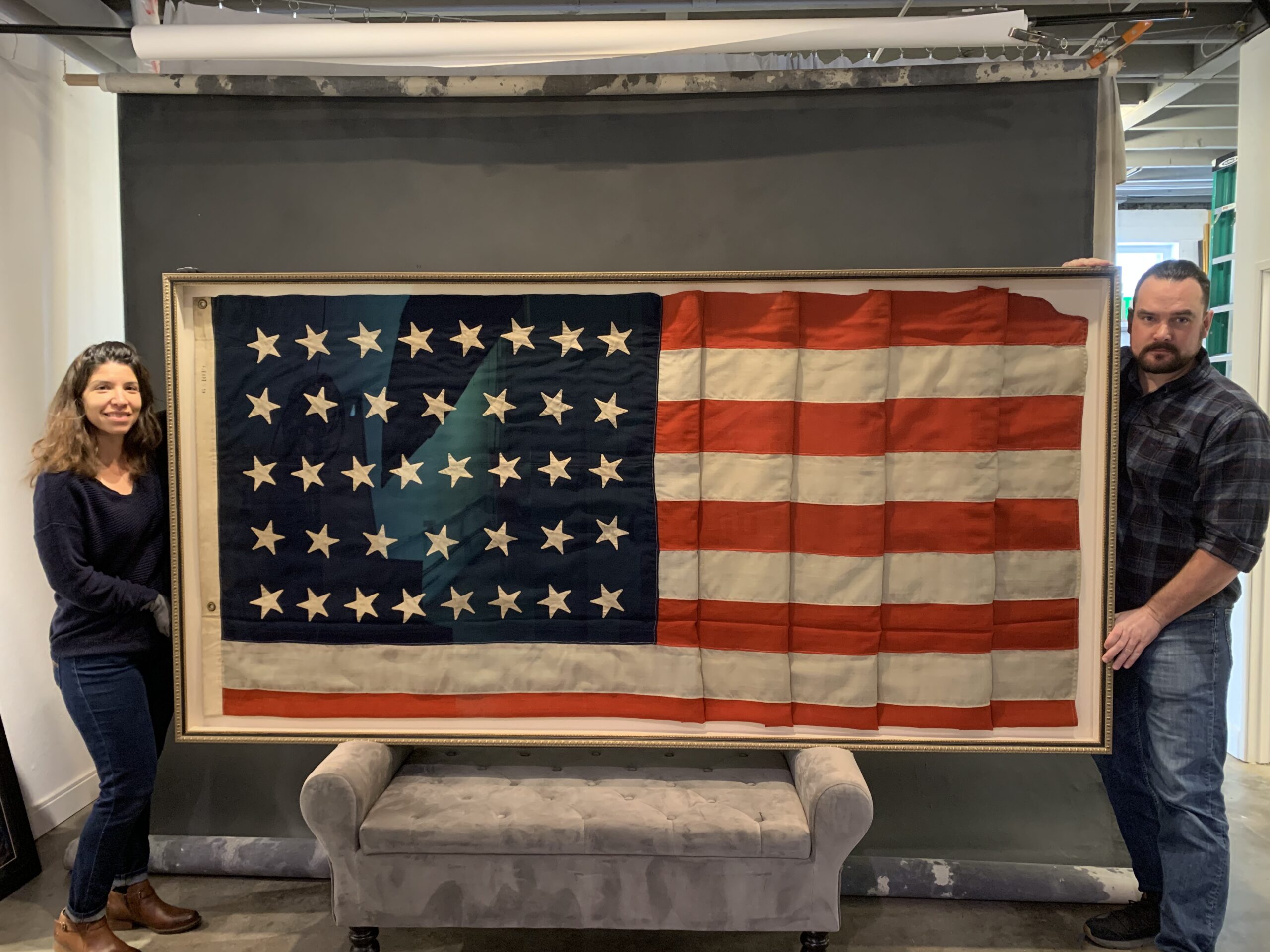
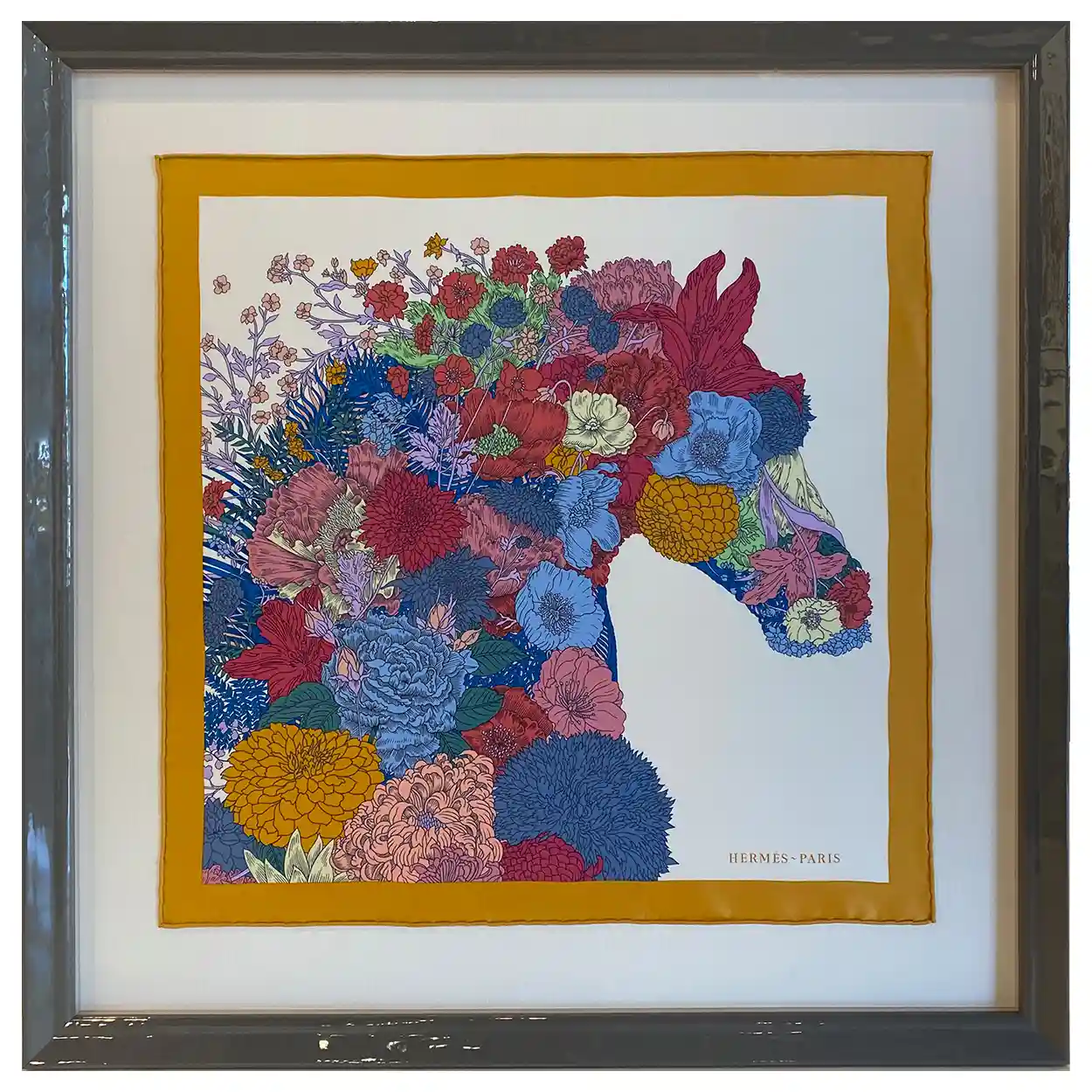
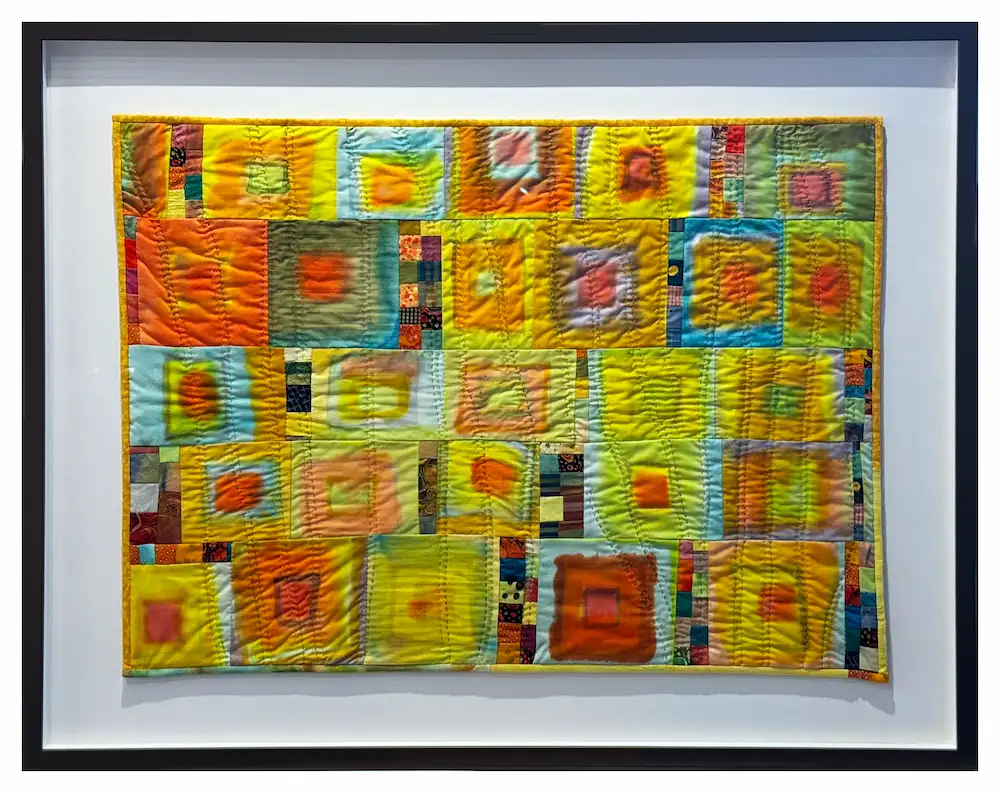
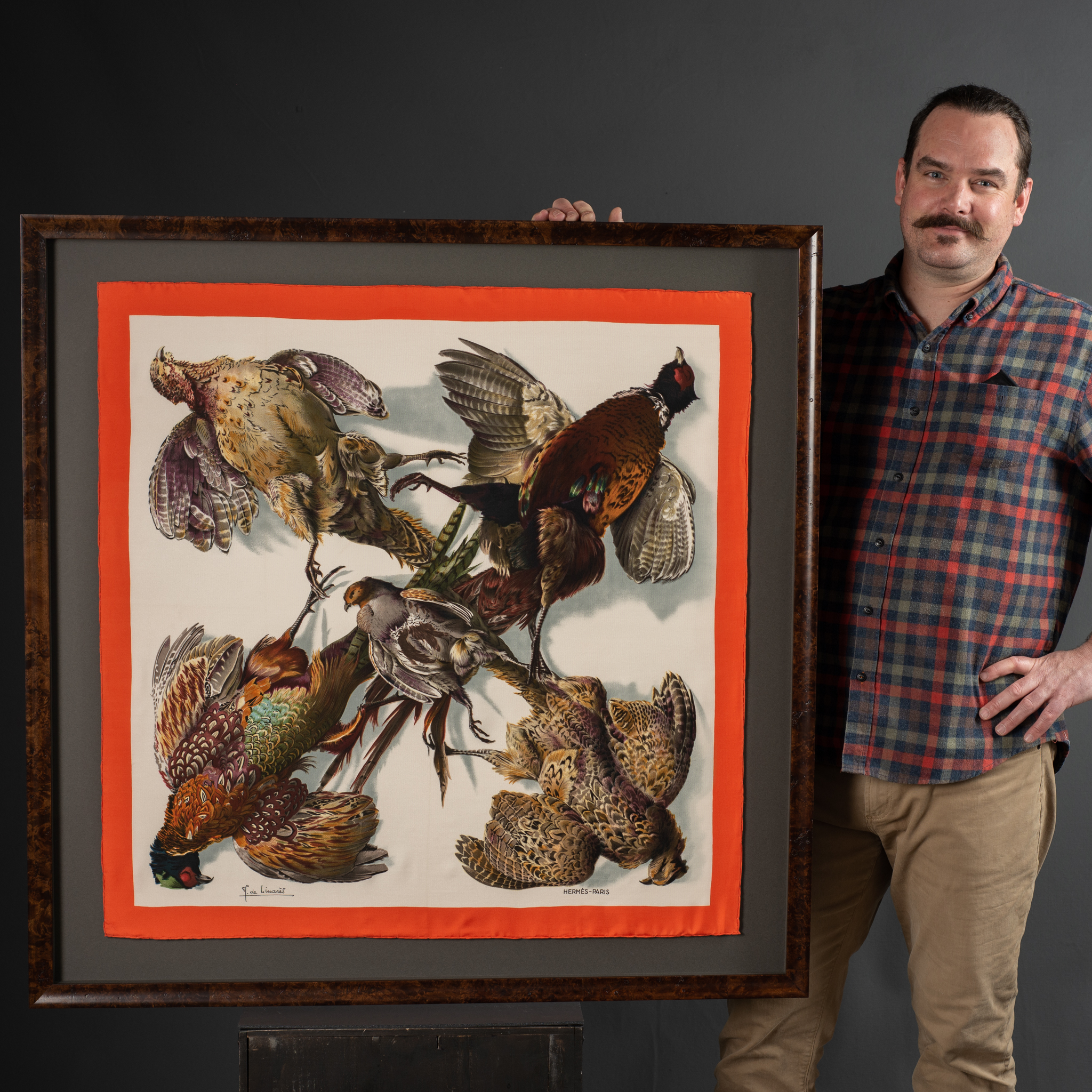
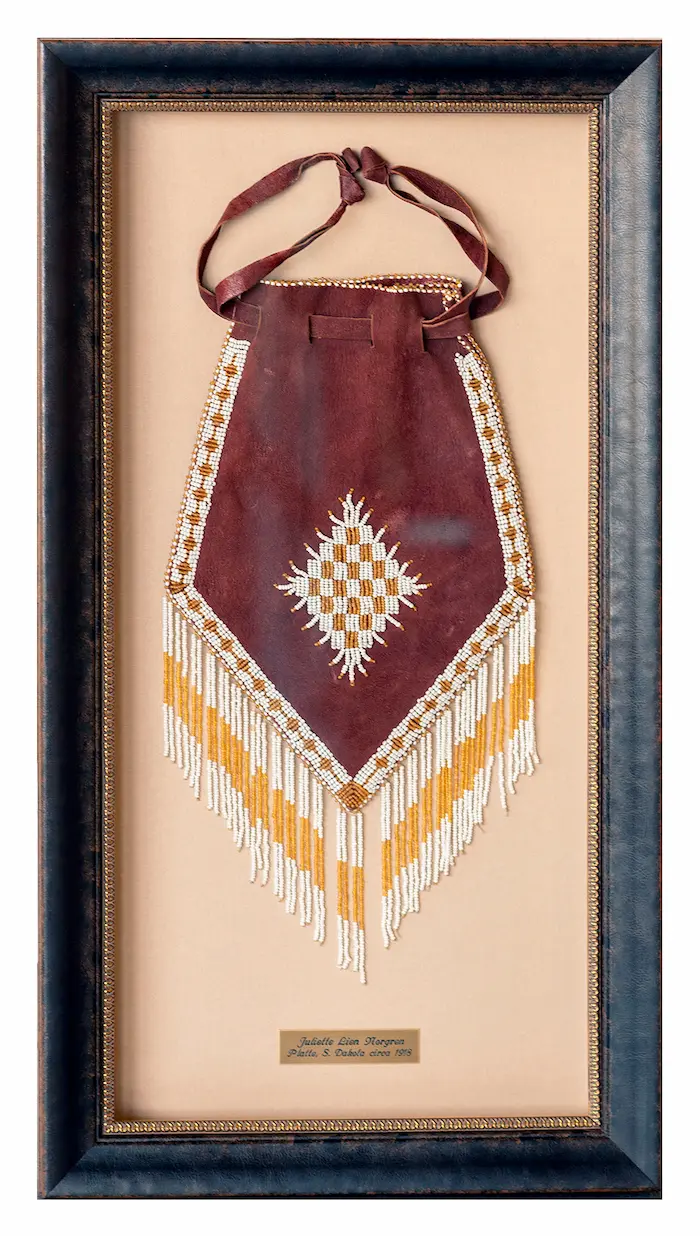
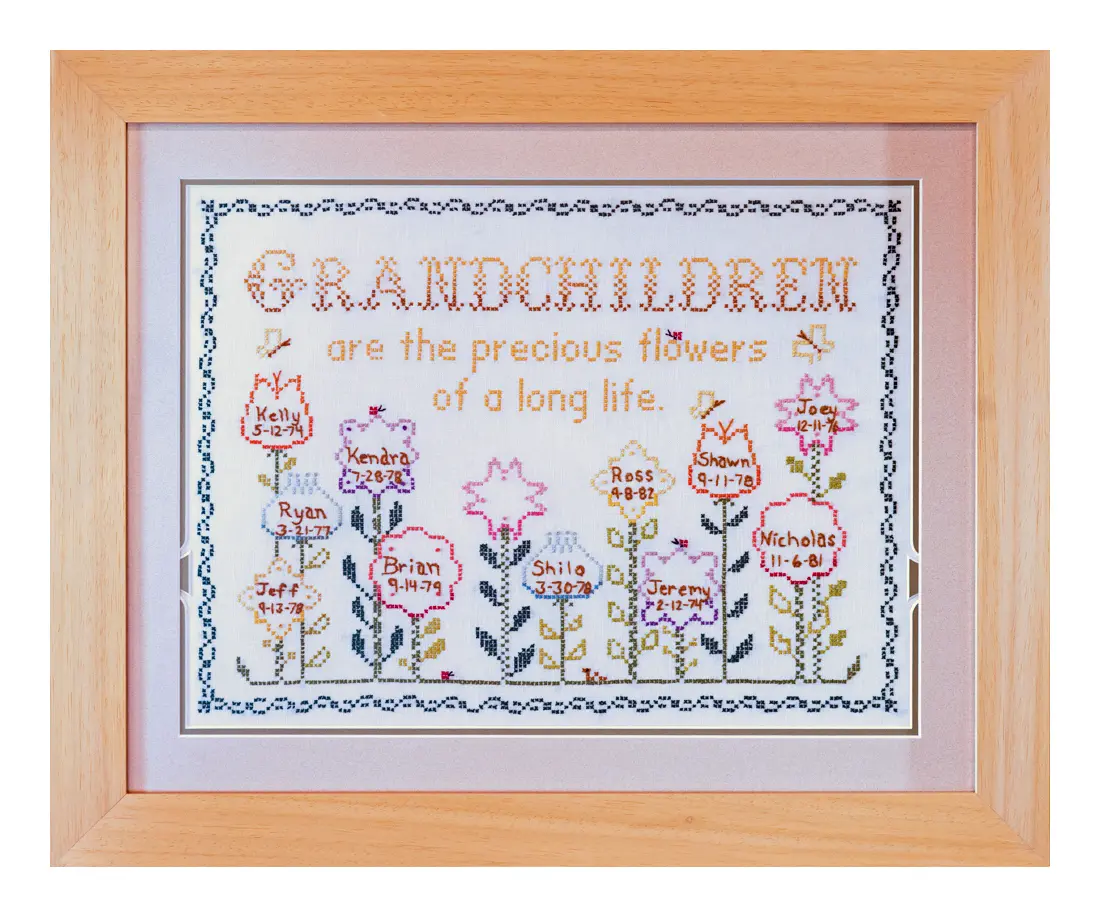
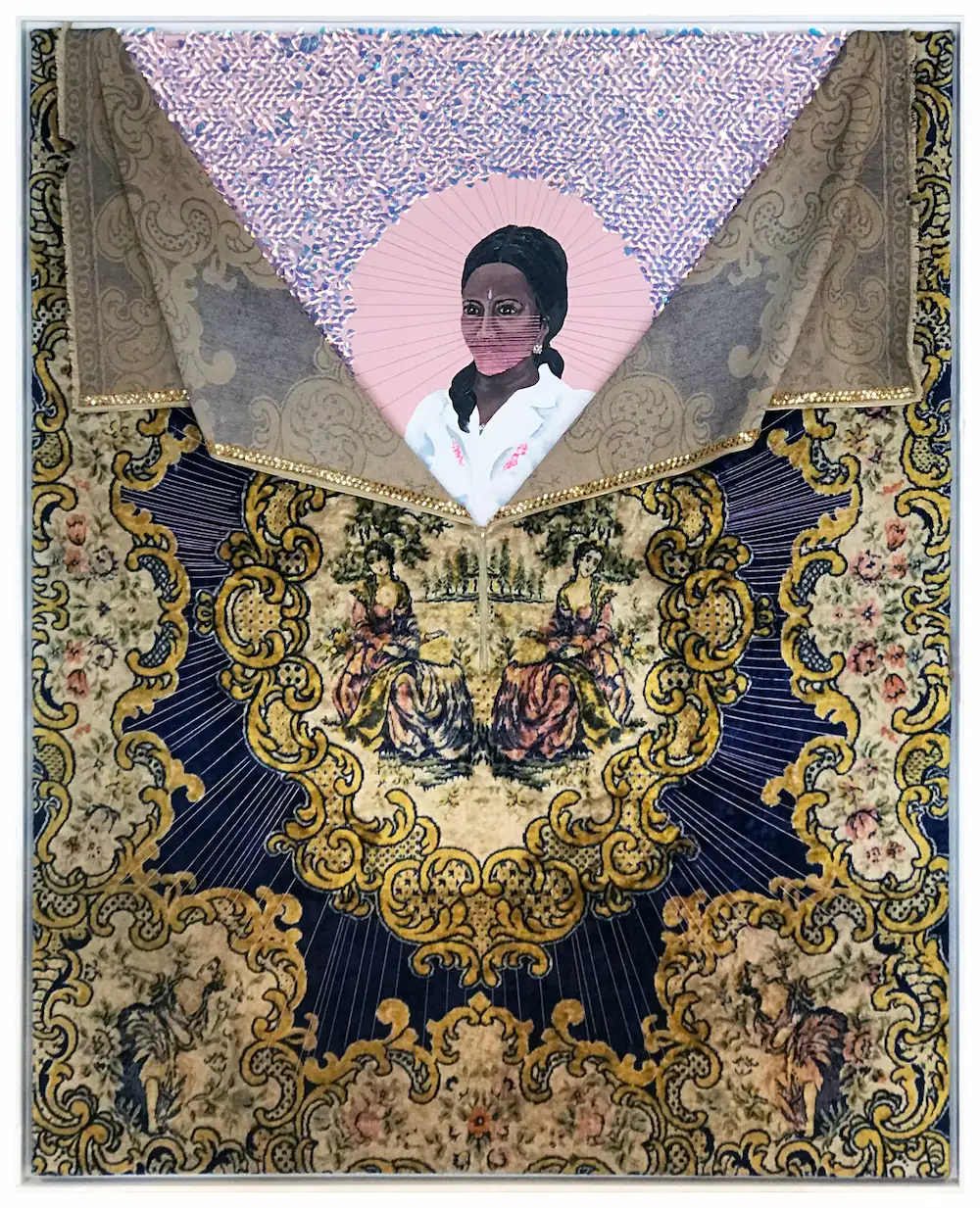
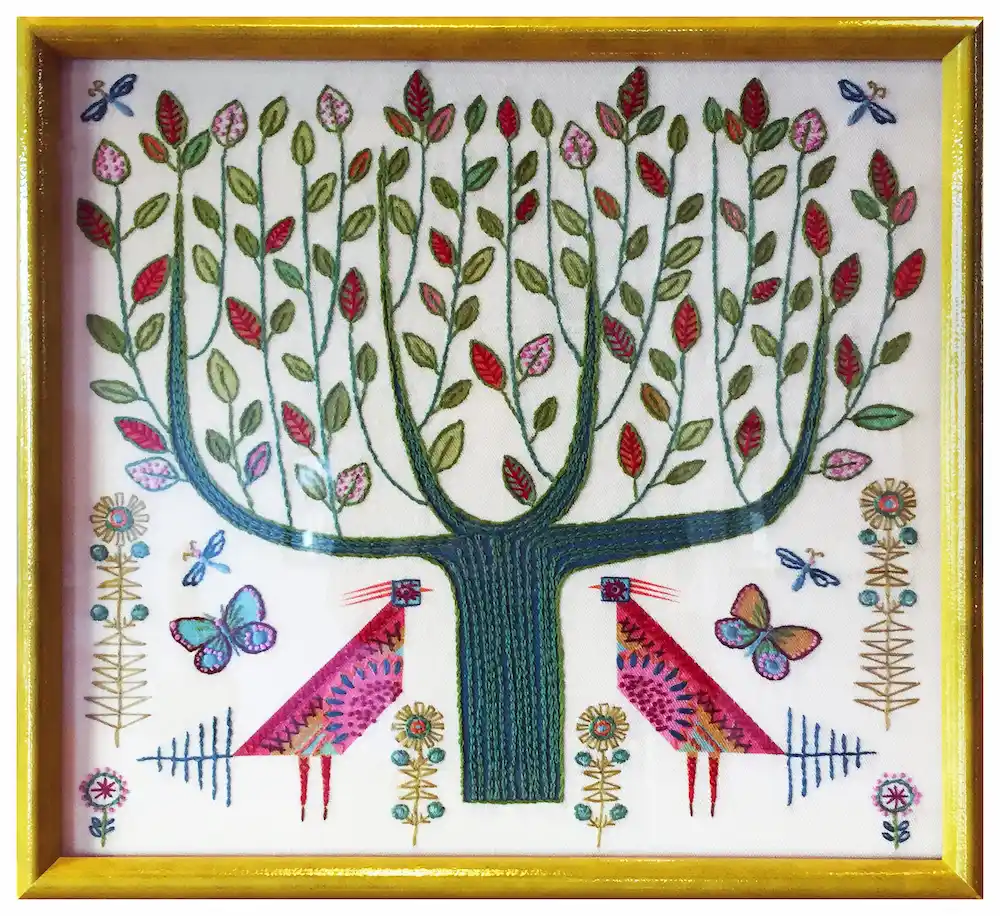
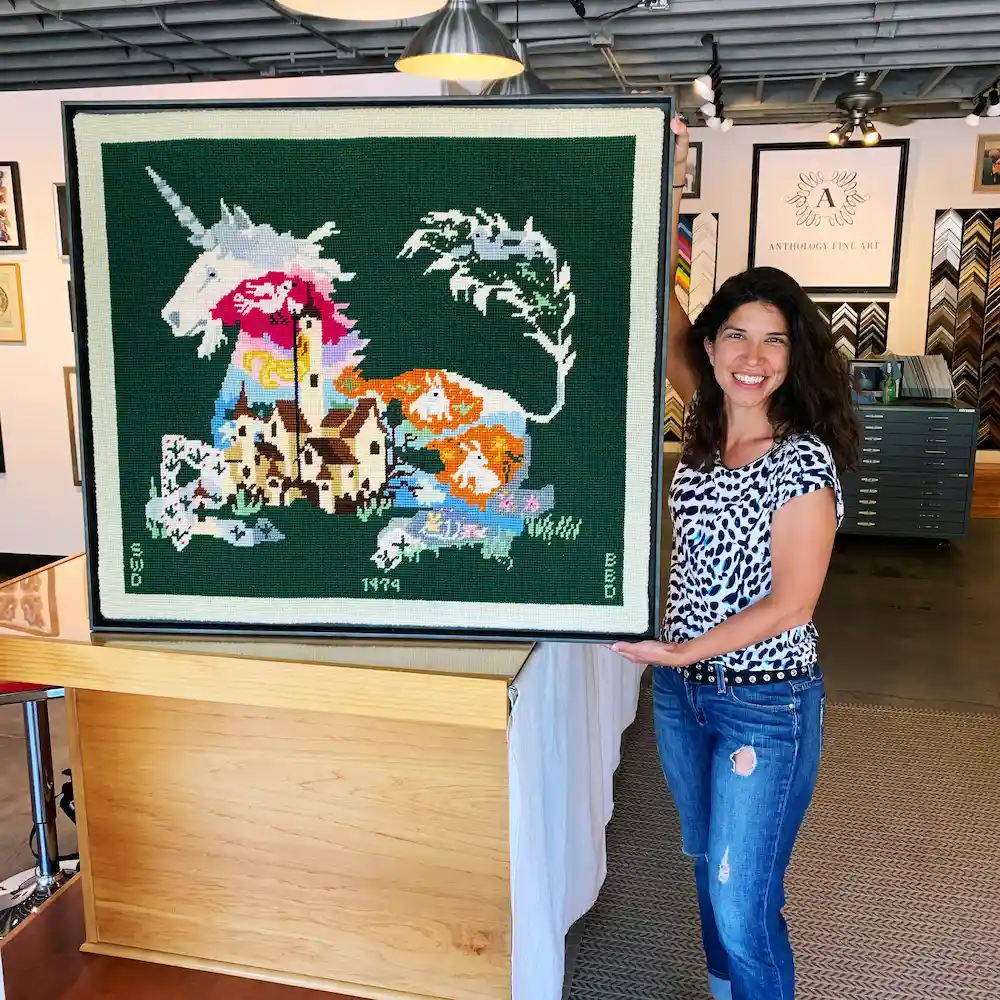
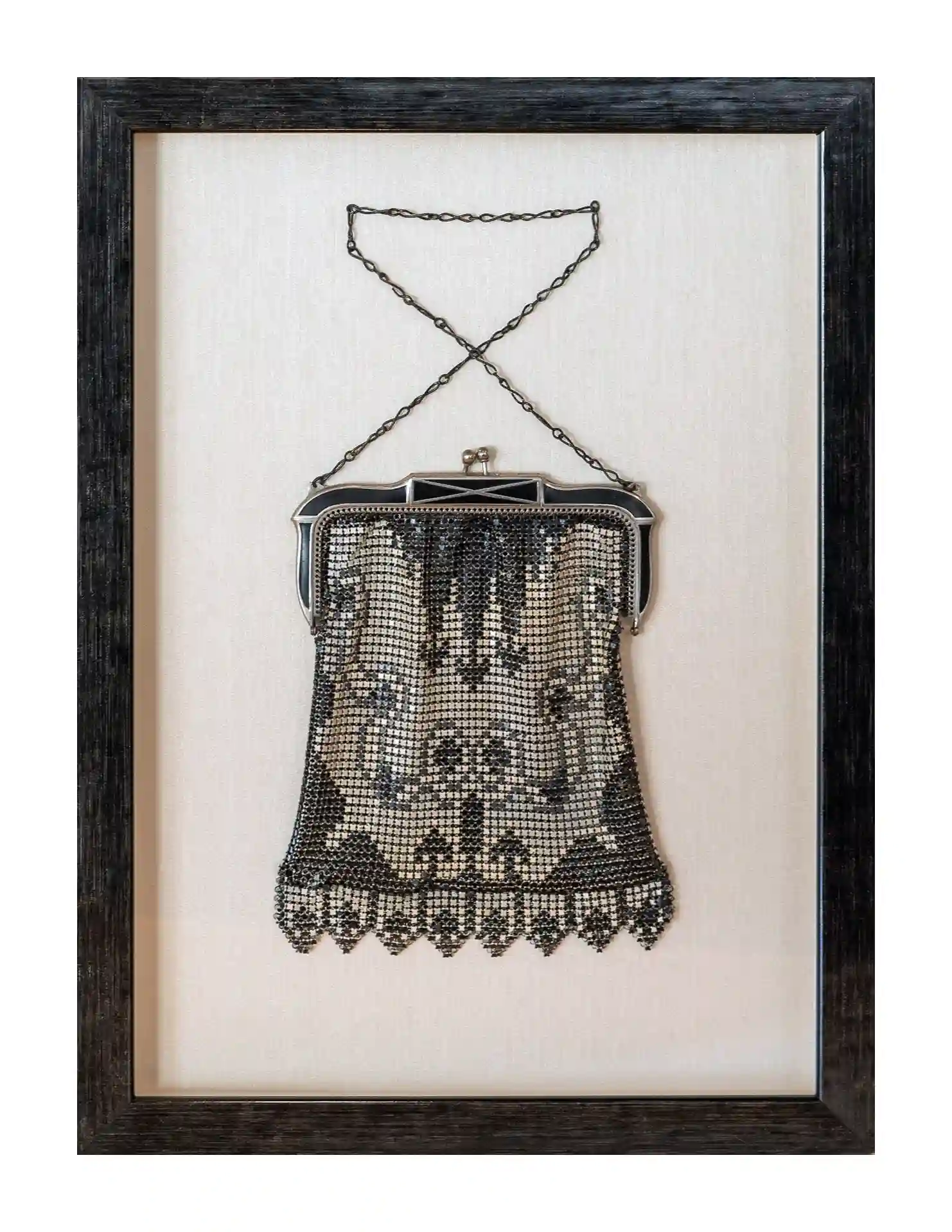
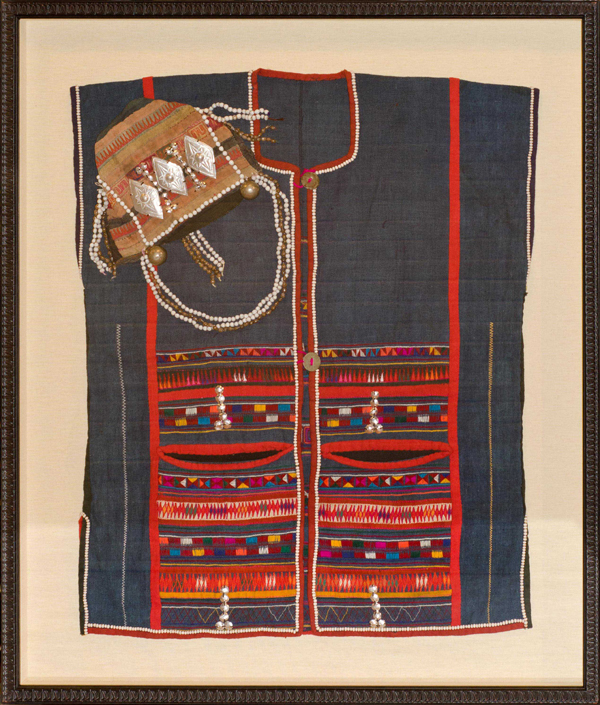
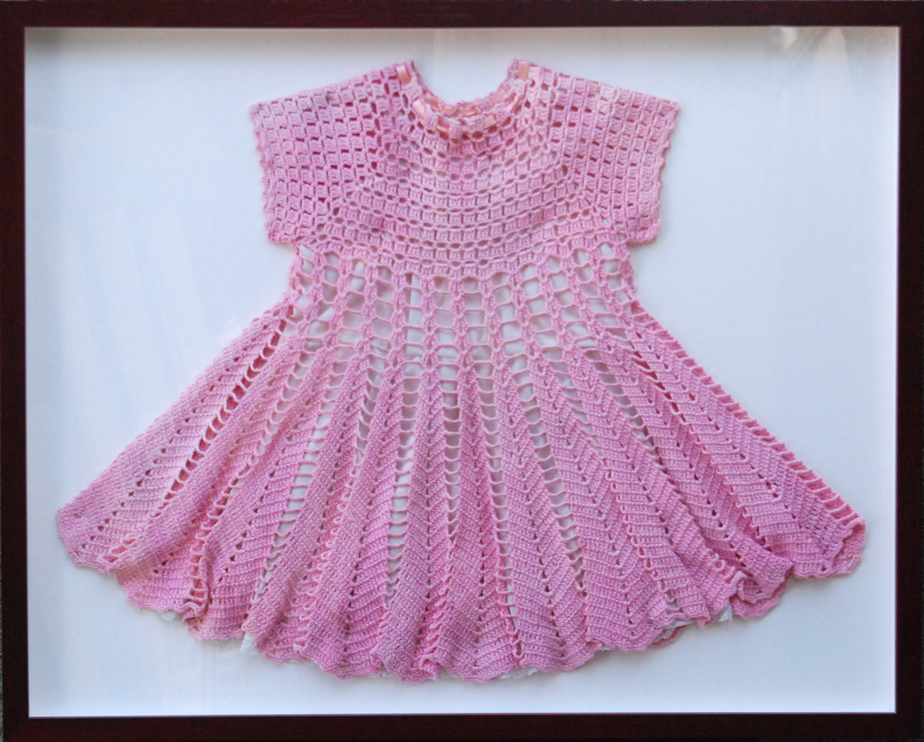
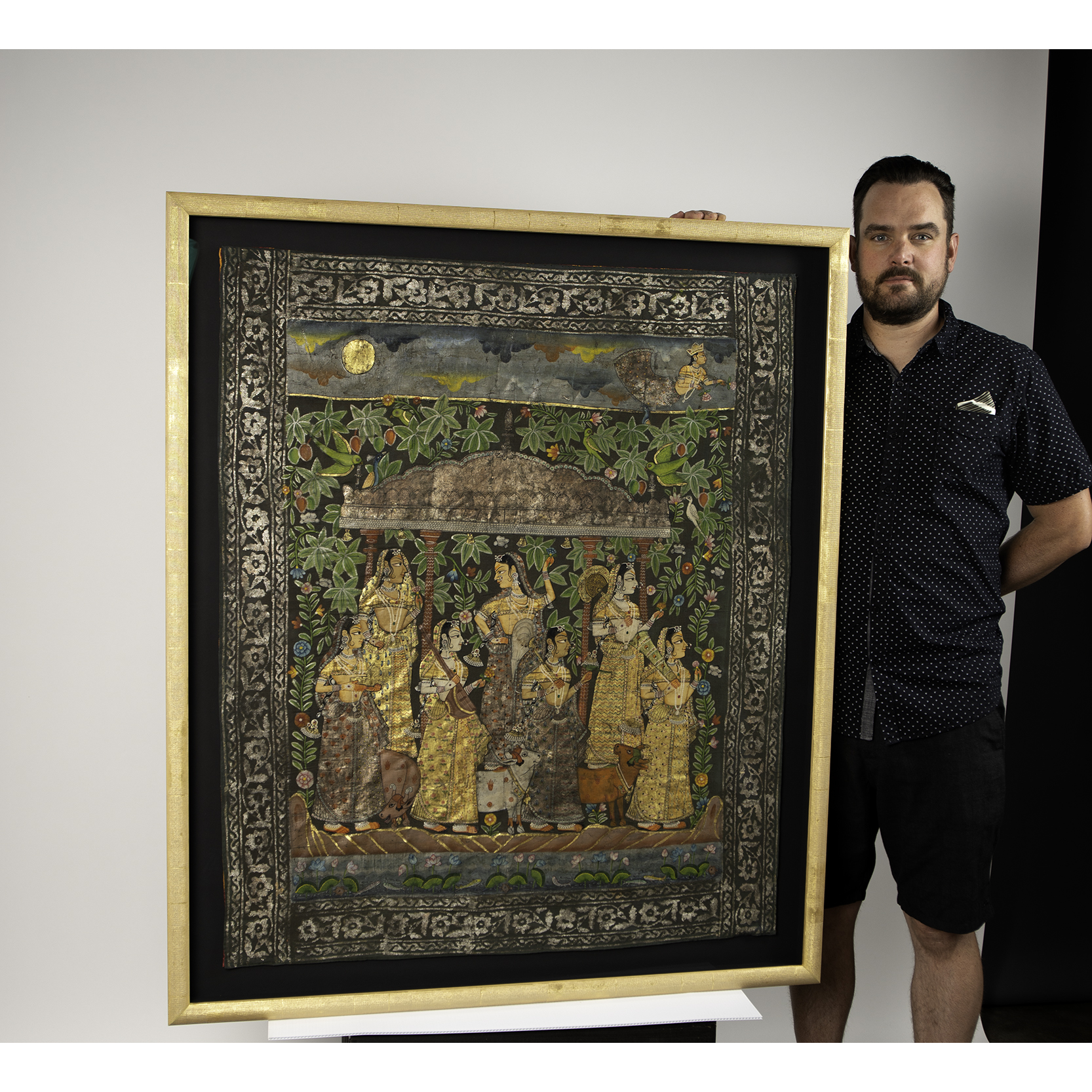
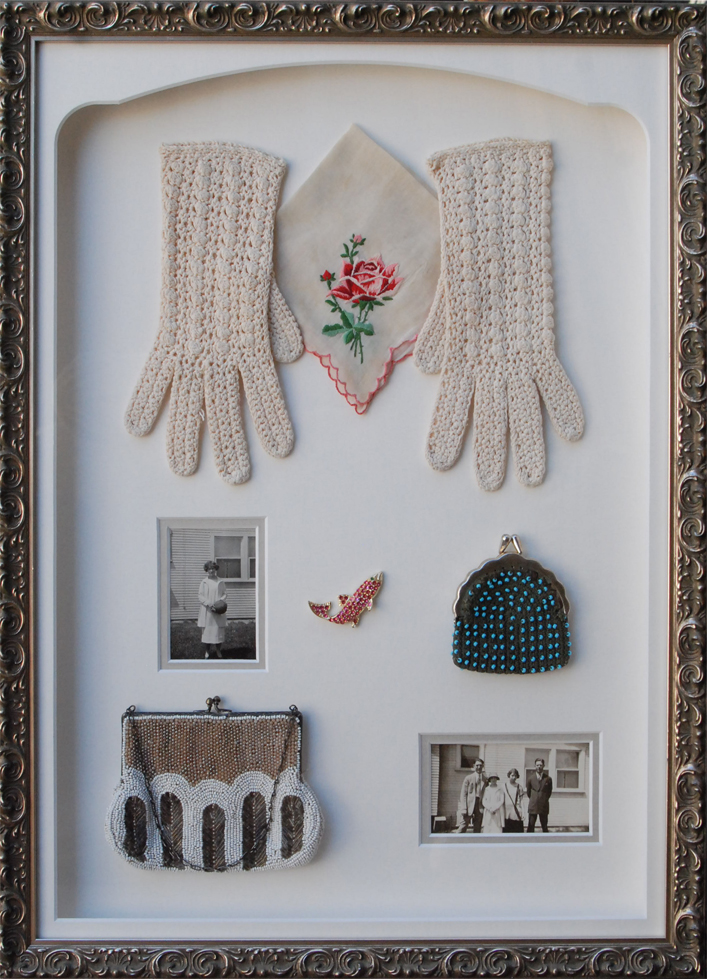
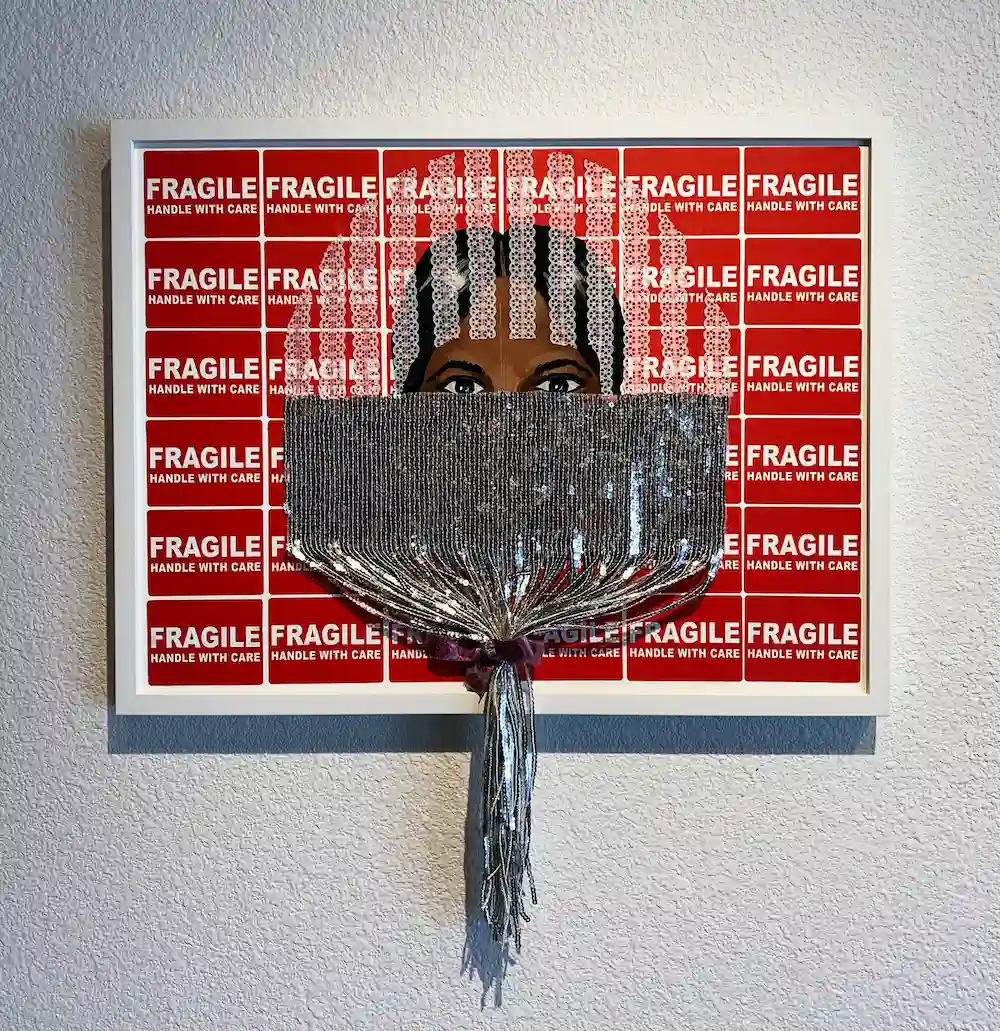
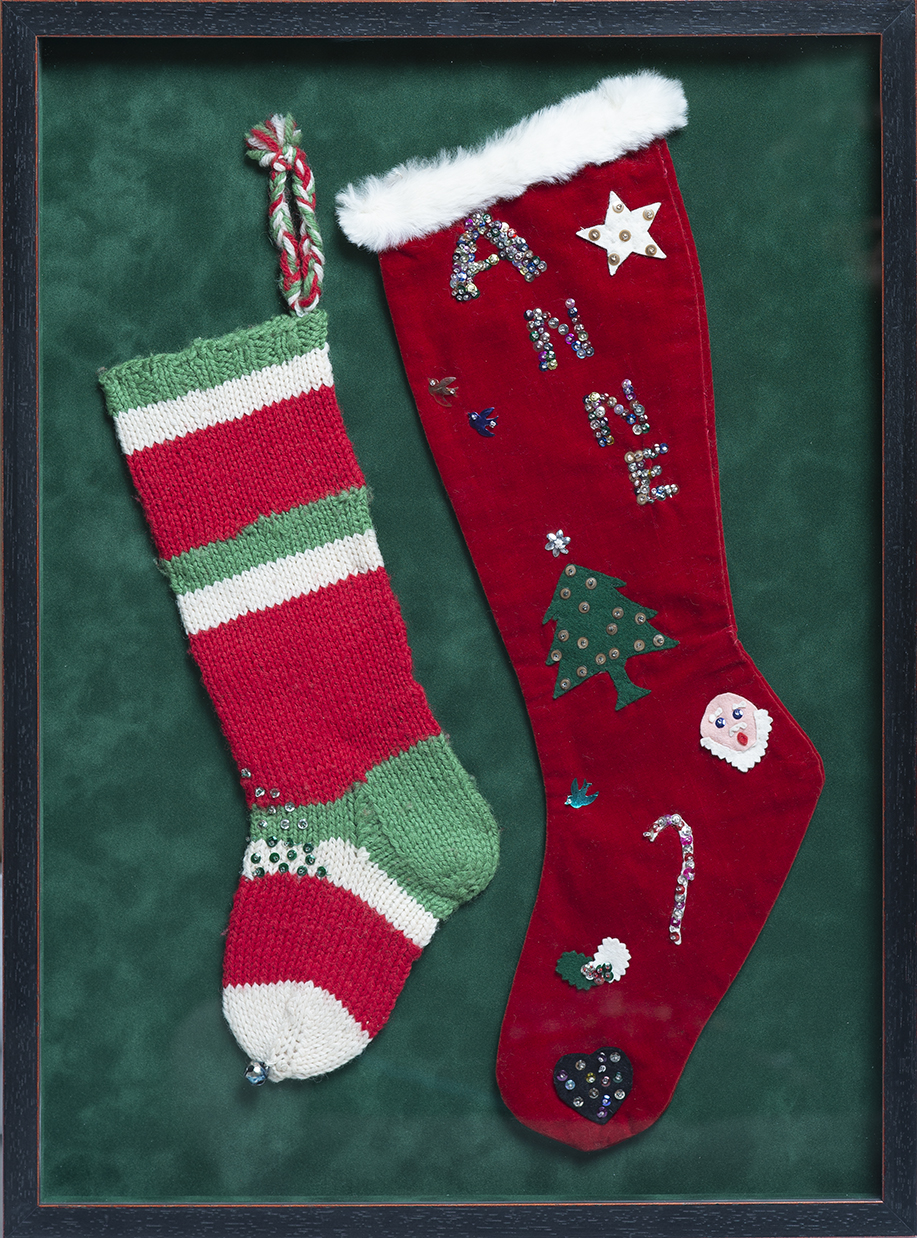
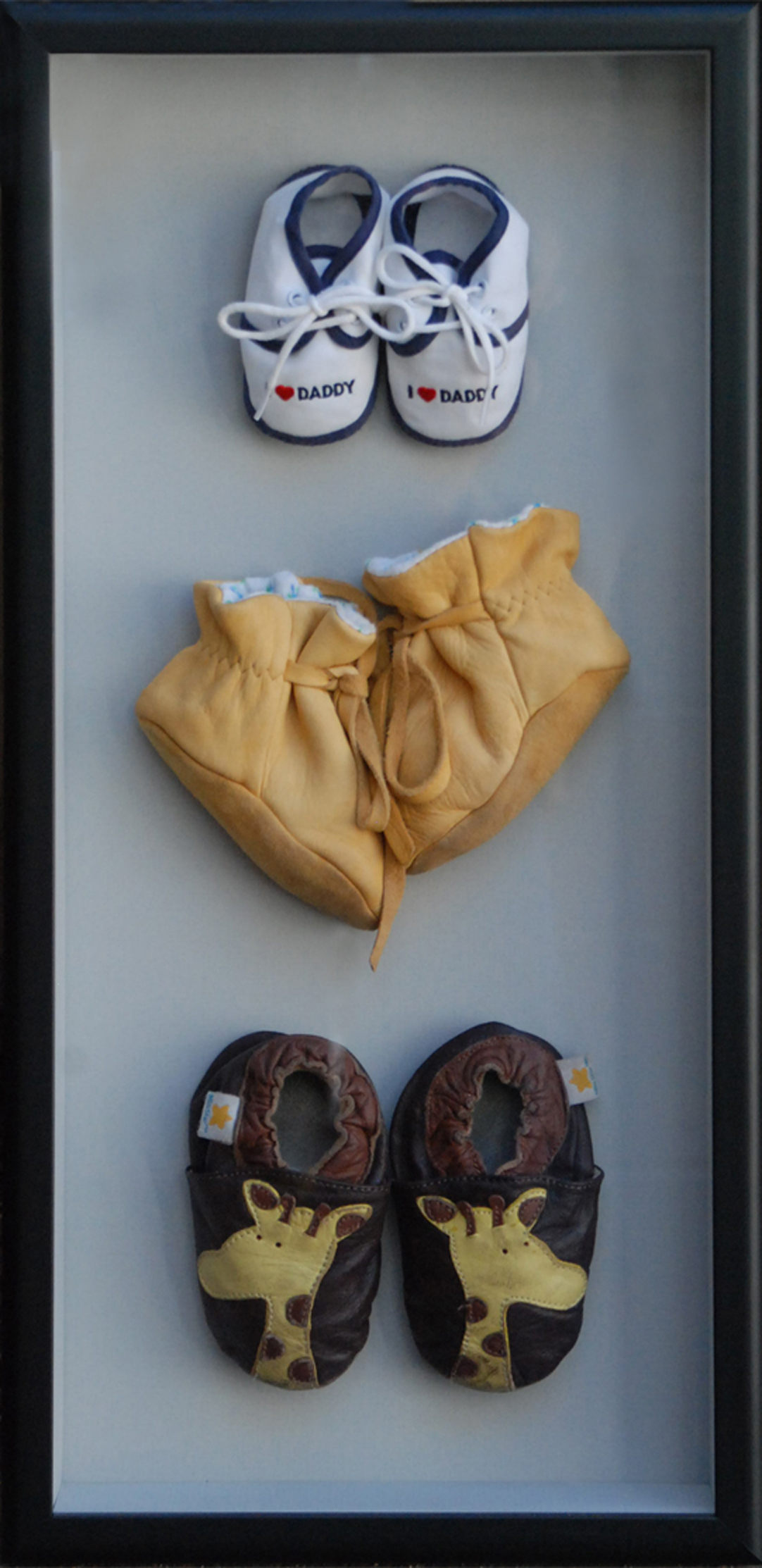
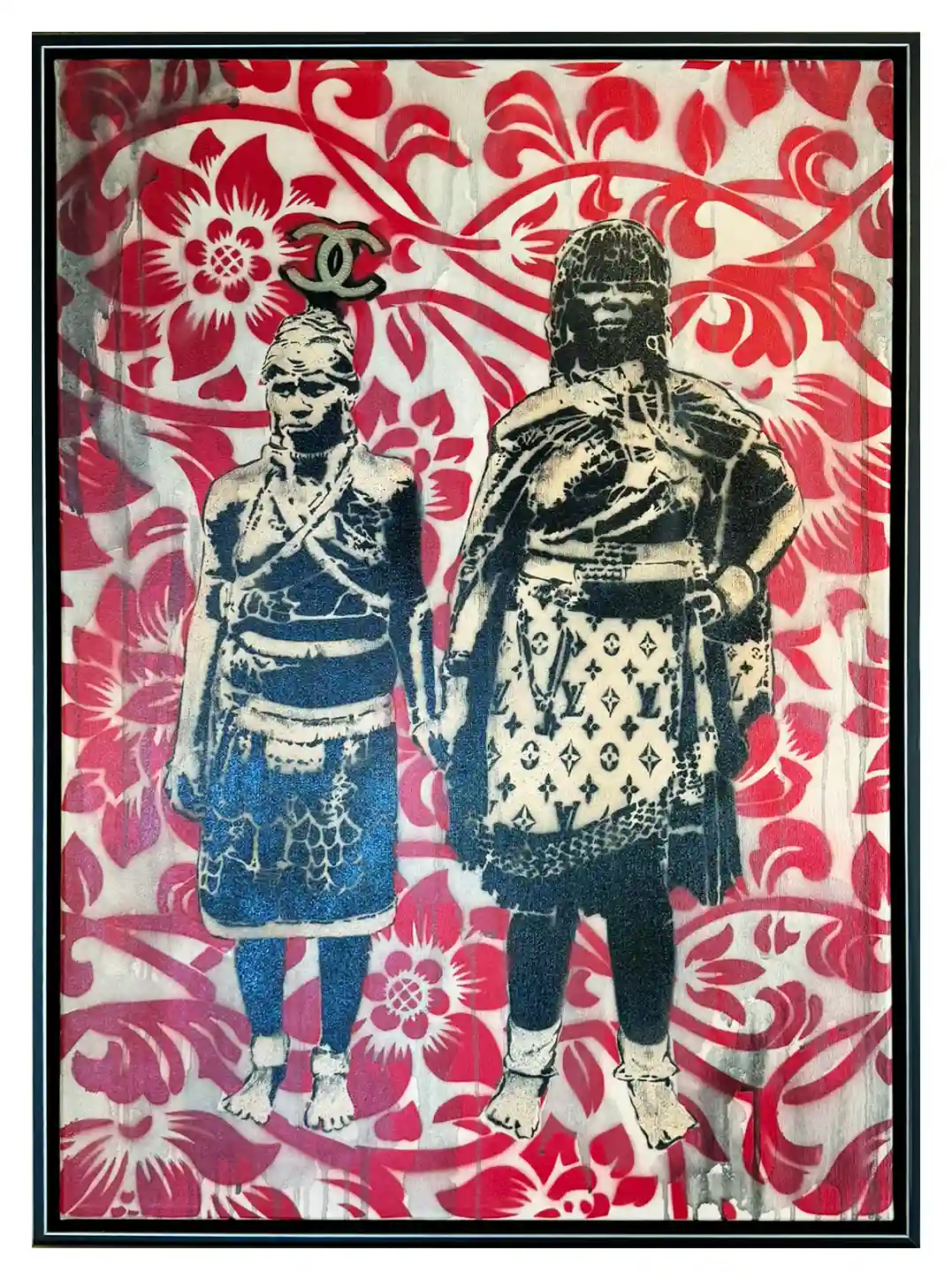
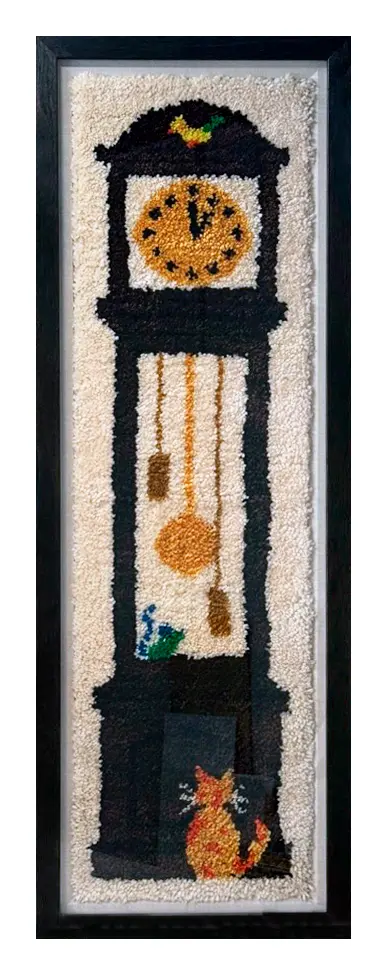
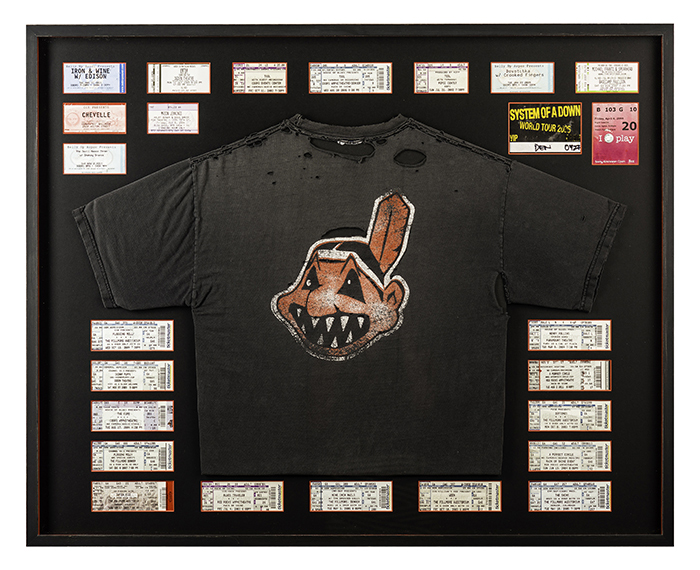
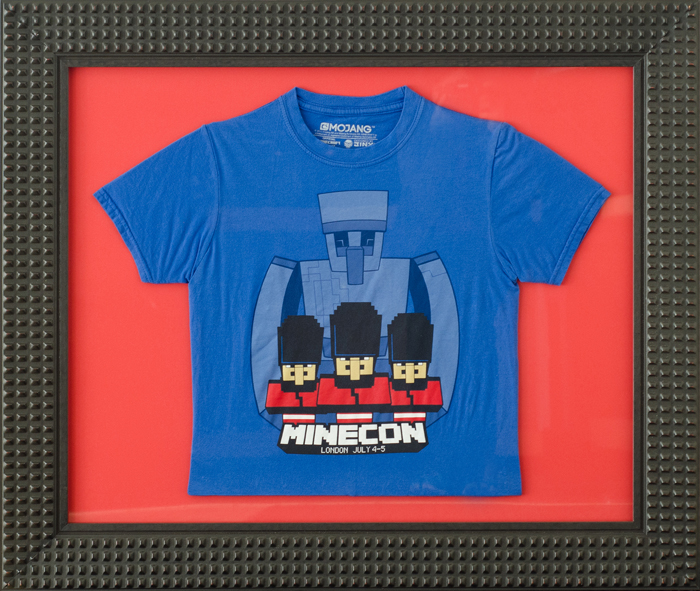
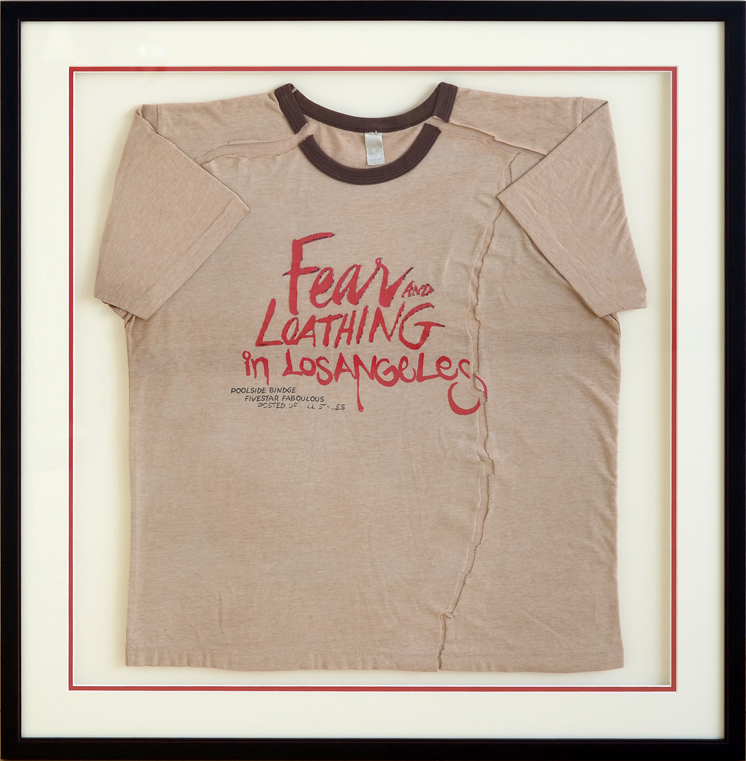
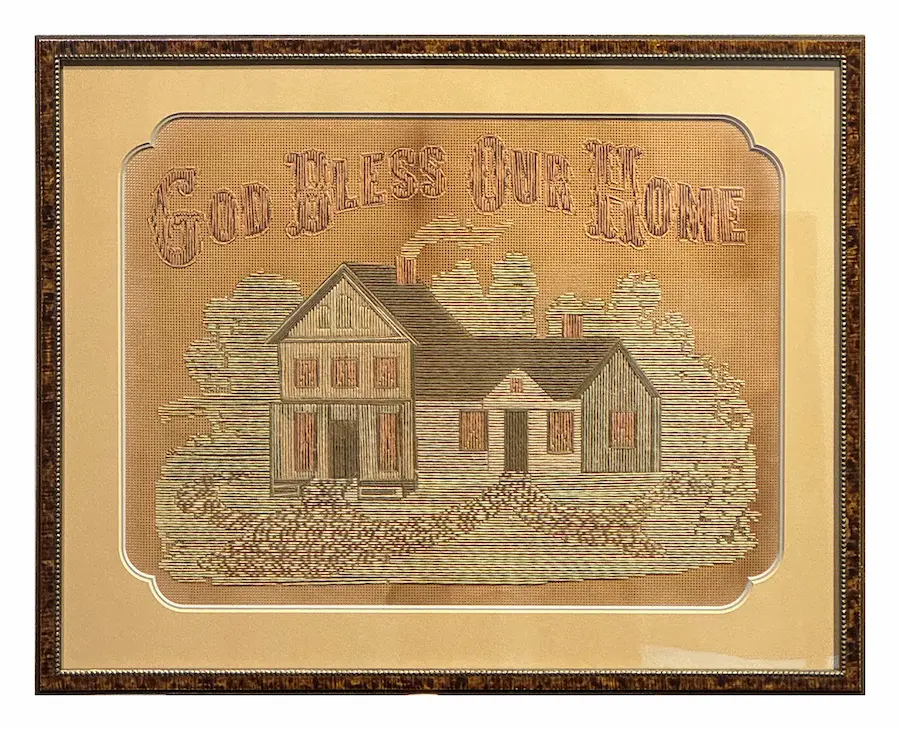
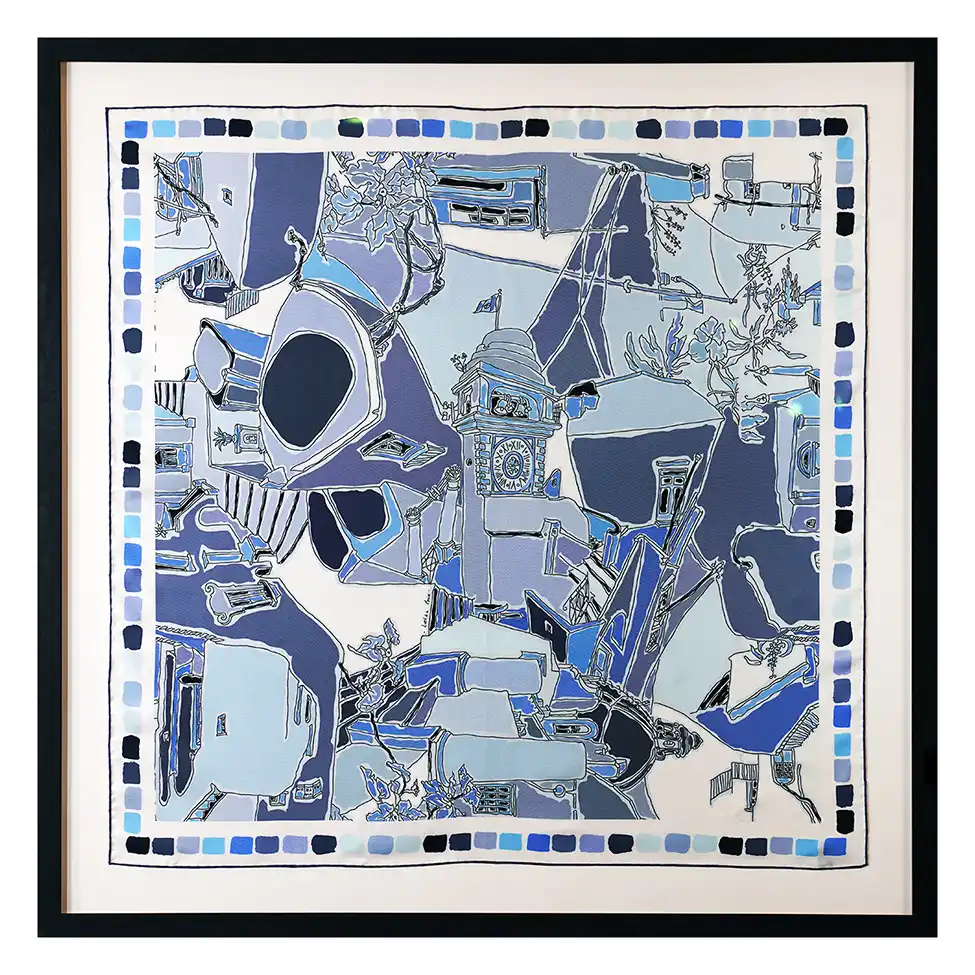
Framing textile pieces can be a great way to add depth to your walls, while also providing your art with the conservation it needs to continue to be enjoyed for years to come. Framing textiles often requires a custom built shadowbox, with or without glass, and involves different considerations than framing a flat print requires. The most important rule for these pieces is that the fibers of your piece are allowed to breathe without using any damaging adhesives to mount it, meaning no glue and no staples. Due to the nature of textiles, framed and mounted fabrics can shift over time due to gravity and require individual and custom mounting within the frame to maintain the integrity of the piece. Cleanliness of the textile is the next consideration to address, including whether or not you’d like the piece to be cleaned or steamed before it is framed. We will steam pieces for you here at Anthology but we do not have the skillset required to launder delicate fabrics, but we will refer you to local companies that do if you’d like to have the piece cleaned first! We have referred clients to La Nouvelle for years and they always do a fantastic job. From there, depending on the type of textile we are framing, your piece may undergo any of the following preparation methods for it to be mounted and framed:
1. Block: the textile is stretched, and shaped to ensure it will lay flat, maintain its intended dimensions, and highlight the texture/pattern of your piece.
2. Stitch: the process of hand-stitching a textile to acid-free foam board, mat board, or rag mount using cotton or invisible thread.
3. Pin/Lace: For pieces that are heavier in nature, like needlepoint, the fabric is gently laced across the back of the acid-free mounting board to pull it taut and square.
From there each textile is then framed into either a custom built shadow box or a traditional frame with spacers to keep the fabric off the glass; the depth of the textile will determine which is the best frame for your piece. Each piece is finished with acid-free backing, acid-free mat boards, and UV protective glass, if necessary, to protect the fibers from fading due to light exposure over time and to keep the textile clean from dust. Aren’t sure where to start with framing your textile? Scroll through our gallery for some inspiration, and give us a call to set up a design consultation to start the process of preserving your piece and getting it up on your wall!